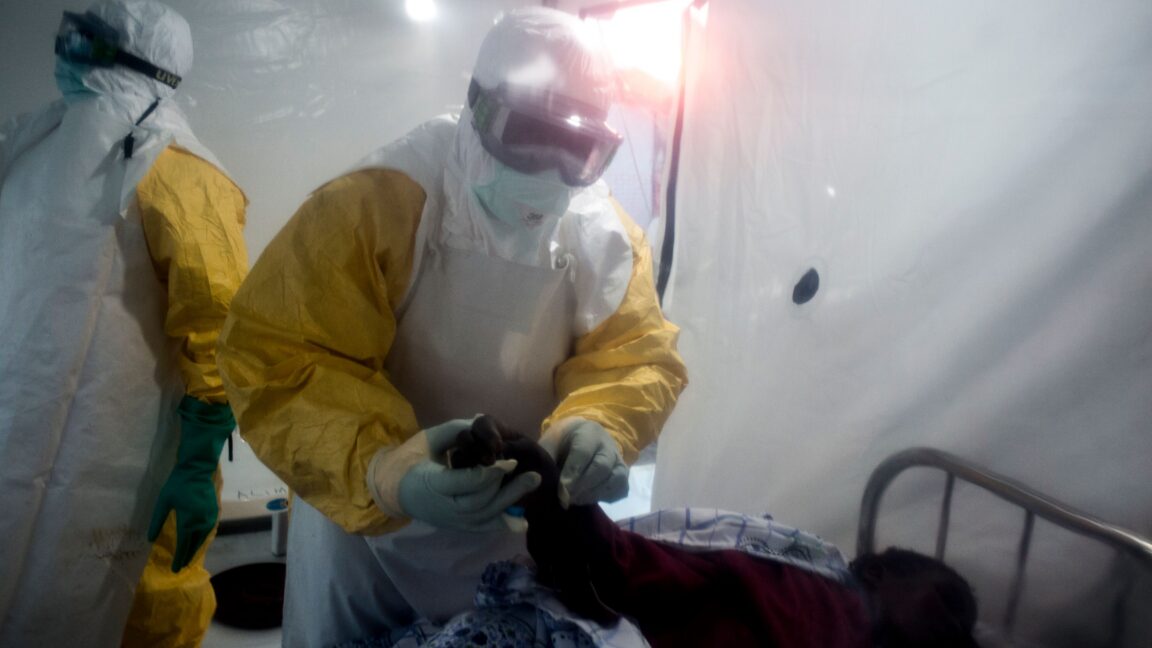
Africa's top health body confirmed a new Ebola outbreak in Congo's remote Ituri province on May 14. The Bundibugyo strain, which kills roughly 30% of those infected, has produced 246 suspected cases and 65 deaths concentrated in the Mongwalu and Rwampara health zones. The World Health Organization learned of potential cases on May 5; the US CDC heard about it only yesterday. Uganda confirmed one imported death, a Congolese man who died in Kampala, but has detected no local transmission. WHO is releasing $500,000 in emergency aid and airlifting 5 metric tonnes of medical supplies to the region. The outbreak zone sits near the Ugandan border, raising cross-border containment risks. Local health workers face armed group activity and poor road access. The last Bundibugyo outbreak, in Uganda in 2007, killed 37 people.
The Bundibugyo strain of Ebola is distinct from the more familiar Zaire strain that caused the 2014-16 West Africa epidemic. It has a lower fatality rate, about 30% versus up to 90% for Zaire, but remains highly contagious. Ituri province in northeastern Congo is a recurring conflict zone, which complicates outbreak response.
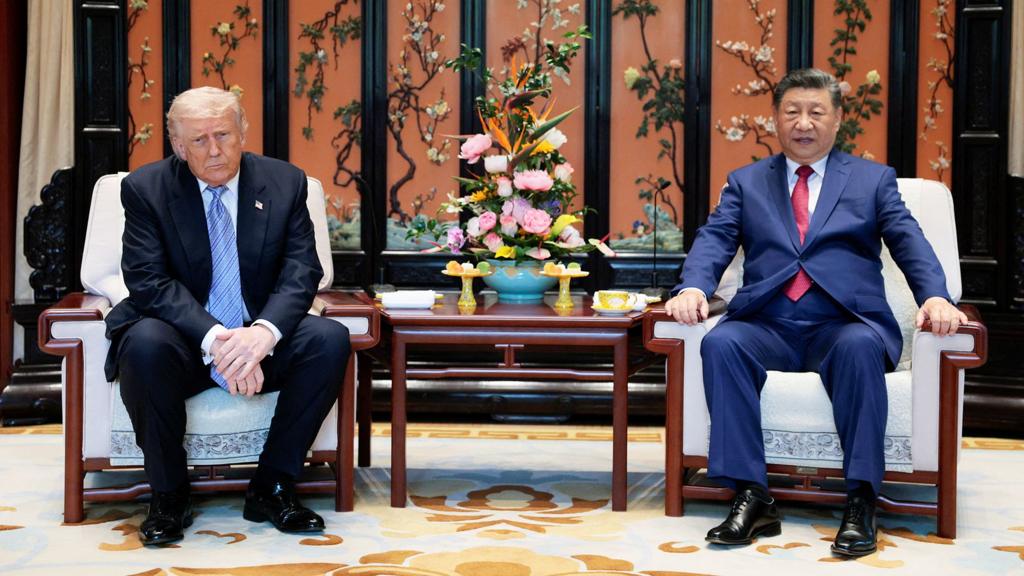
Hours after completing a two-day summit with Xi Jinping in Beijing, Donald Trump told reporters he opposes Taiwan declaring formal independence. He questioned why the United States would travel 9,500 miles to fight a war and said he is not looking for that outcome. During the summit, Xi warned that differences over Taiwan could lead to clashes and even conflicts if not handled properly. The two leaders also announced a trade package in which China agreed to purchase 200 Boeing jets plus American oil and soybeans.
Taiwan has governed itself since 1949. Beijing considers it a rogue province and has never ruled out force to reunify. US policy has long maintained strategic ambiguity, neither explicitly committing to defend Taiwan nor abandoning it, as a deterrent against both Chinese attack and Taiwanese unilateral independence.
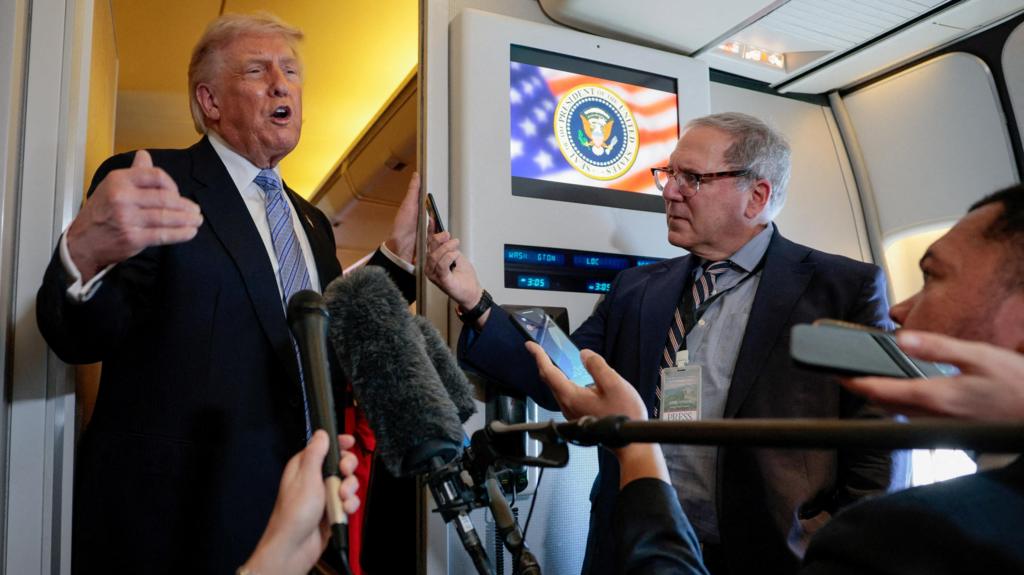
Returning from China aboard Air Force One, Donald Trump said he would accept a 20-year suspension of Iran's uranium enrichment if Tehran provides what he called a real guarantee. Twenty years is enough, he said, but the level of guarantee must be genuine. This softens his previous demand for a permanent halt to enrichment and would allow Iran to resume the activity after two decades. The shift comes as US and Iranian negotiators pursue a broader ceasefire and nuclear agreement in 2026. Trump specified that verification would require continuous on-site monitoring at Fordow, Natanz, and Isfahan facilities plus snap inspections of undeclared sites. Iran currently enriches uranium to 60% purity, near weapons-grade, and holds approximately 164 kilograms of material at that level according to IAEA reports from March 2026.
The 2015 JCPOA nuclear deal imposed limits on Iranian enrichment but allowed it to continue at reduced levels. Trump withdrew from that agreement in 2018. His previous negotiating position demanded Iran never be allowed to enrich uranium at all.
Eight of the top ten officials at NIAID, the US government's main infectious-disease research institute, have been pushed out since Trump took office in January 2025. Separately, former senior NIAID adviser David Morens was indicted in April on federal charges of conspiracy and destruction of records. Prosecutors allege the 78-year-old used his personal Gmail to hide communications subject to public records laws about federally funded bat coronavirus research. The institute now operates under acting director Jeffery Taubenberger after appointed director Jeanne Marrazzo was fired after less than two years. Morens faces up to 20 years if convicted on all counts. The eight departed officials include the directors of the Office of Biodefense Research, the Division of AIDS, and the Vaccine Research Center. Taubenberger previously led the institute's influenza and emerging infectious diseases section.
NIAID, the National Institute of Allergy and Infectious Diseases, was led by Anthony Fauci for 38 years until 2022. It became politically charged during COVID over questions about its funding of research at the Wuhan Institute of Virology. The Trump administration has treated pandemic-era NIH leadership as accountability targets.
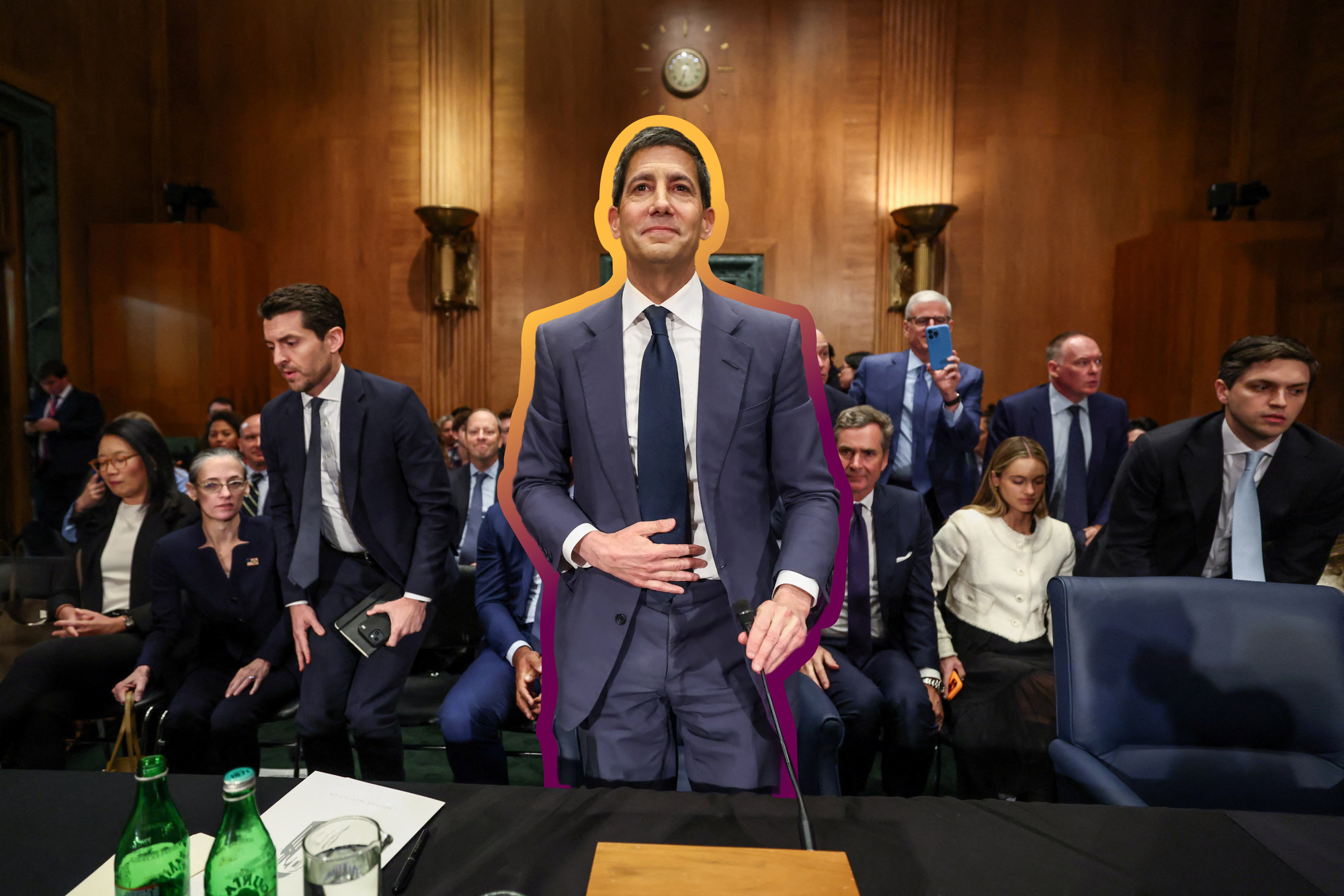
Kevin Warsh began his term as the 17th chair of the Federal Reserve on May 14 as Jerome Powell's term expired. The Senate confirmed Warsh 54-45 on May 13, the most divisive Fed confirmation vote in history, with only one Democrat, John Fetterman, crossing party lines to support him. Warsh inherits consumer price inflation at 3.8% in April, up from 3.3% in March. Trump allies are pressing him to cut interest rates, but rising inflation makes that justification harder. Warsh served as a Fed governor from 2006 to 2011 and worked previously as a Morgan Stanley banker. The federal funds rate stands at 4.75%. Warsh told senators he would evaluate rate decisions based on inflation expectations data and labor market slack rather than political pressure. His wife, Jane Lauder, is heir to the Estée Lauder cosmetics fortune.
The Federal Reserve chair sets US monetary policy, primarily through the benchmark interest rate. Powell spent years resisting Trump's public demands to cut rates. Warsh is seen as closer to Trump politically than his predecessor.
A federal judge in San Francisco paused final approval of Anthropic's $1.5 billion settlement with authors over the use of pirated books to train its Claude AI. Judge Araceli Martinez-Olguin requested more detail on lawyers' fees after the original request for $320 million, 21% of the settlement, drew pushback. Lead firms Susman Godfrey and Lieff Cabraser reduced their ask to $187.5 million, or 12.5%. The settlement covers more than 480,000 works and would be the largest known US copyright settlement and the first major AI training-data case to resolve. The 480,000 works include fiction, nonfiction, and academic titles published between 1923 and 2023. Authors would receive $50 to $300 per work depending on registration status and use in training. The judge scheduled a fairness hearing for June 9.
Authors and publishers sued Anthropic alleging their books were scraped from piracy databases like LibGen to train Claude without permission. The settlement, if approved, would set a precedent for how AI companies resolve training-data copyright claims.
ArXiv announced a one-strike policy on May 14: researchers who submit papers containing incontrovertible evidence of unchecked AI output will face a one-year ban. The violations include hallucinated citations, LLM meta-comments like fill in the real numbers here, or placeholder text. After the ban, future submissions must first pass peer review at a reputable venue. Thomas Dietterich, chair of arXiv's computer science section, announced the policy. Hallucinated citations have increased tenfold since 2023 and now appear in roughly one in 277 papers. ArXiv moderators will flag submissions using automated detection tools plus manual review. The policy applies to all 10 subject categories including physics, mathematics, and quantitative biology. Dietterich stated the policy targets deliberate negligence rather than incidental AI assistance with grammar or formatting.
ArXiv, pronounced archive, hosts approximately 2 million preprint papers in STEM, posted publicly before or instead of formal peer review. It relies on moderation rather than traditional peer review and has been the dominant venue for sharing AI and machine learning research since the deep learning boom of the 2010s.
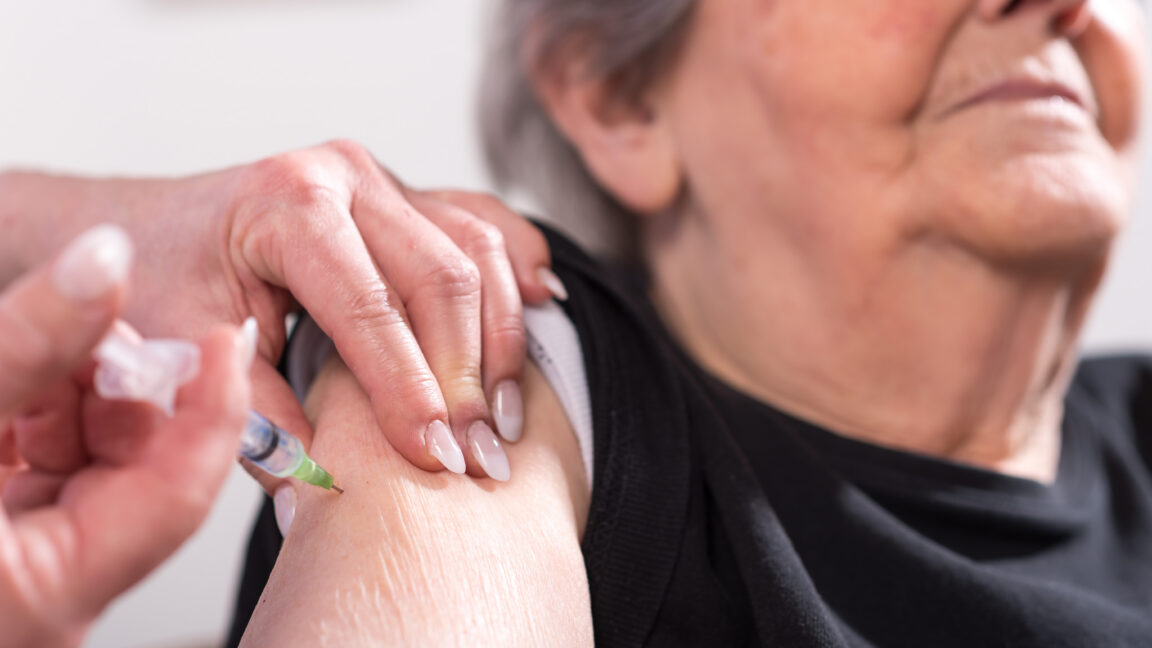
Multiple large observational studies link routine adult vaccines to 25-40% reduced dementia risk, with the strongest signals from shingles, flu, RSV, pneumococcal, and DTP vaccines. A high-dose flu vaccine containing four times the standard antigen showed 55% reduced risk in an April 2026 study. A review published in Frontiers in Immunology this year proposes trained innate immunity as the mechanism. Standard immunology held that only the adaptive immune system had durable memory. New evidence suggests certain vaccines can train innate immune cells to respond more broadly, reducing chronic neuroinflammation that drives Alzheimer's progression. The April study followed 47,000 adults over 65 for seven years. Participants receiving high-dose flu vaccines showed reduced brain atrophy on MRI and lower blood markers of neuroinflammation compared to standard-dose recipients.
Dementia affects approximately 55 million people worldwide; Alzheimer's accounts for 60-70% of cases. The leading Alzheimer's hypothesis involves chronic brain inflammation partly driven by the immune system. The claim that innate immunity, the body's first-line non-specific defense, could have durable memory was considered immunological heresy until BCG vaccine studies about a decade ago first suggested otherwise.
The Vera C. Rubin Observatory in Chile's Atacama Desert has delivered early results from its 8.4-meter telescope and the largest digital camera ever built. First light in June 2025 yielded 1,500 new asteroids. By January 2026 it identified 19 superfast rotators, including a 700-meter asteroid spinning every 1.88 minutes. On February 24 it captured 800,000 sky changes in a single night. It detected interstellar comet 3I/ATLAS ten days before other telescopes. At current pace it will find 1 million asteroids in year one, equivalent to 200 years of prior discoveries, and expects 250,000 Type Ia supernovas annually versus fewer than 100 in late-1990s surveys. The 3.2-gigapixel camera captures 3,200 megapixels per image, generating 20 terabytes nightly. The 700-meter rotator, 2025 MN45, spins near the breakup limit for a rubble-pile asteroid.
Type Ia supernovas are used as standard candles to measure cosmic distances. They enabled the 1998 discovery that the universe's expansion is accelerating, which introduced the concept of dark energy. Rubin's expected 250,000-per-year haul would sharpen dark energy measurements by orders of magnitude. Interstellar objects, visitors from other star systems, are extremely rare; only two had been confirmed before Rubin began observations.
Europe is considerably poorer than the United States and its comfortable stagnation amounts to a geopolitical liability, argues Noah Smith in his economics newsletter. He cites net migration consistently favoring America, with Germany alone seeing 1.17% of its population emigrate to the US in 2024, and faster US growth in output per hour. Only a handful of top European countries approach US wealth levels. Smith calls Europe's position that of a shabby, comfortable aristocrat, sustainable for a while but inadequate for competing militarily or technologically against China at lower productivity. He notes US GDP per hour worked grew 1.7% annually from 2019-2024 versus 0.8% for the Euro area. Smith identifies Germany's industrial energy costs and southern Europe's debt overhang as structural drags. He warns that European defense spending at 1.5% of GDP versus 3.5% in the US leaves the continent dependent on American security guarantees it may not retain.
Noah Smith writes the Noahpinion economics newsletter on Substack. The Europeans are poorer but happier debate recurs in economics, typically centering on GDP per capita adjusted for purchasing power, where the US leads most of Western Europe by 20-40%.