MIT President Sally Kornbluth announced that federal research funding to the university has dropped more than 20% compared to last year, with new federal awards down by a similar margin. The funding squeeze has forced departments to reduce graduate admissions, with new enrollments outside Sloan and EECS MEng falling nearly 20% for next year. Kornbluth estimated MIT could have roughly 500 fewer graduate students total, affecting research output and undergraduate mentorship. She attributed the decline to policy changes affecting international students and scholars, which have discouraged talented applicants from joining the MIT community. The announcement underscores broader pressures on US research universities from federal funding cuts and immigration policy shifts.
MIT and peer institutions face an 8% tax on endowment returns, a provision affecting only a handful of top research universities. Federal grants typically support graduate students through research assistantships tied to faculty grants.
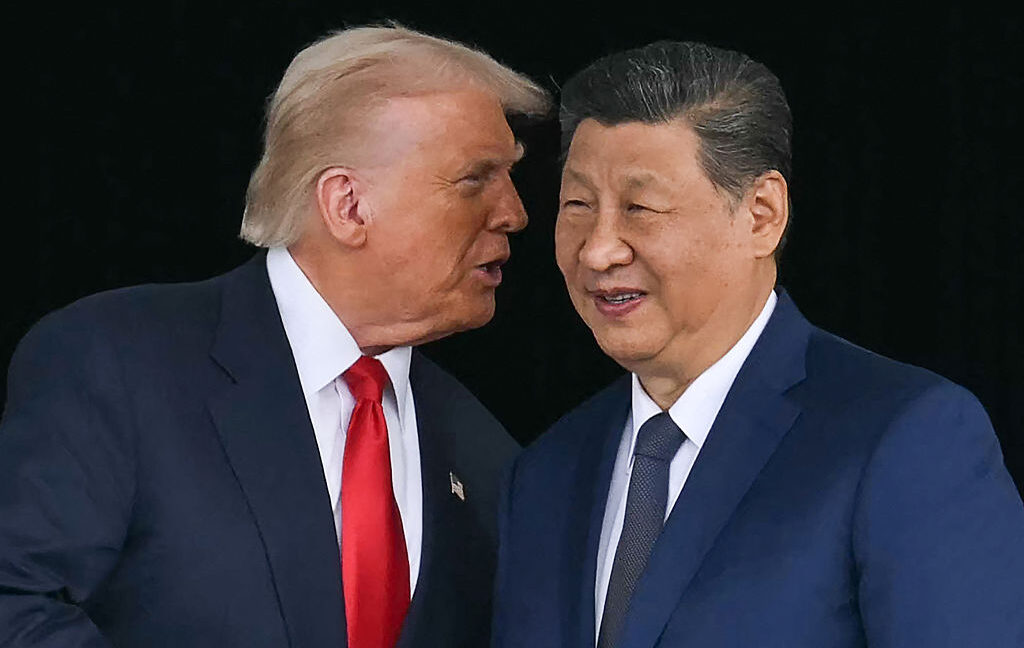
Donald Trump invited Apple CEO Tim Cook, Nvidia CEO Jensen Huang, and Elon Musk to join his delegation for two days of meetings with Chinese leader Xi Jinping in Beijing. The inclusion of tech executives signals Trump's weak negotiating position, analysts say, after his hoped-for leverage from resolving Ukraine, Gaza, and supply chain diversification failed to materialize. Trump instead escalated tensions with Iran, handing China additional leverage. The tech leaders' presence may serve to remind China of its dependence on US technology, though Beijing has prioritized domestic chip development to reduce reliance on American firms. China hawks in Washington expressed concern that Trump might trade away chip restrictions to secure economic concessions, potentially narrowing the US lead in AI.
The US and China are locked in competition over AI and semiconductor technology. Nvidia's advanced chips are considered peerless, while China controls critical rare-earth exports. Taiwan remains a flashpoint, with China seeking US acknowledgment of its territorial claims.
Russian forces launched one of their largest attacks since the 2022 invasion, firing more than 670 drones and 56 missiles at Ukraine overnight. At least eight people died in Kyiv, including a 12-year-old girl, after strikes hit over 180 sites including more than 50 residential buildings. Ukrainian officials said rescue teams pulled bodies from a partially destroyed nine-storey apartment block in the Darnytskyi district, with at least 20 people still feared missing. President Zelensky reported a 93% interception rate for drones but only 73% for missiles, highlighting the shortage of US-made Patriot systems needed to counter ballistic threats. The EU announced it is finalizing a €6 billion drone support package for Ukraine.
The attack came after a three-day ceasefire expired Monday. Ukraine has repeatedly warned of critical shortages in air defense systems capable of intercepting Russian ballistic missiles.
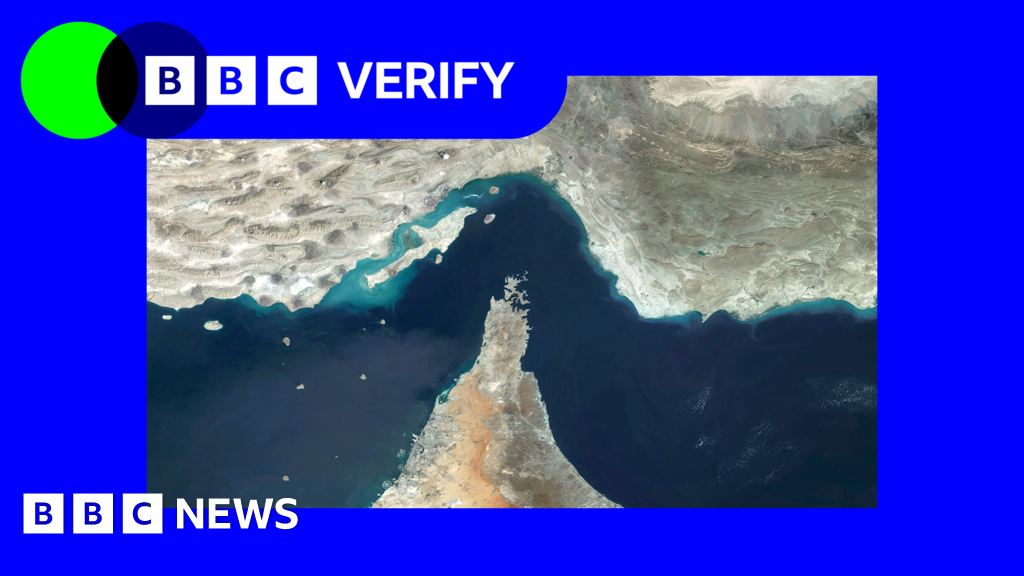
Iranian military personnel seized a vessel operating as a floating weapons storage facility in the Gulf of Oman, according to maritime security firm Vanguard. The Honduras-flagged Hui Chuan, which stores arms for private security firms protecting commercial shipping from piracy, was last tracked 70km northeast of Fujairah in the UAE before its signal went dark. UK maritime authorities confirmed the ship is now bound for Iranian territorial waters. The seizure followed an attack on an Indian-flagged livestock carrier off Oman, which Indian officials said sank after a suspected drone or missile strike. All 14 crew members were rescued by Omani authorities. The incidents raise tensions in a critical chokepoint for global energy shipments.
Floating armouries allow maritime security contractors to collect and store weapons in international waters, avoiding legal complications of carrying arms through multiple national jurisdictions. The Strait of Hormuz handles roughly one-fifth of global oil shipments.
Climate scientists are increasingly confident that a strong El Niño is developing in the tropical Pacific, with some models suggesting it could become one of the most intense on record. NOAA now estimates an 82% chance of El Niño onset between May and July, and a 37% chance of reaching very strong status with Pacific temperatures more than 2°C above average. The European Centre for Medium-Range Weather Forecasts projected even higher warming, potentially exceeding 2.5°C by autumn. A very strong El Niño would likely make 2027 the warmest year on record and trigger extreme weather globally, including drought in southern Africa and flooding in South America. The last comparable event in 2015-16 saw temperatures reach 2.4°C above baseline.
El Niño and its cooling counterpart La Niña are natural climate cycles occurring every 2-7 years. They alter global weather by shifting Pacific Ocean temperatures and atmospheric circulation patterns. The 1877 El Niño, estimated at 2.7°C above baseline, contributed to catastrophic drought and famine across Asia, Africa, and Brazil.
Researchers at UC San Francisco have identified aged CD8+ T cells in the bloodstream as a driver of cognitive decline, offering a potential target for treating age-related memory loss without directly accessing the brain. The team found that injecting old T cells into young mice impaired their performance on memory and learning tasks, while reducing expression of genes linked to mental sharpness. The cells secrete an enzyme that causes inflammation and blocks brain cell regeneration. Blocking these circulating immune cells could be more practical than targeting infiltrating cells in brain tissue. The discovery reveals that factors in blood alone can influence brain aging, building on prior work showing young blood can rejuvenate old brains.
CD8+ T cells normally destroy pathogens but accumulate and change function with age. Previous research showed parabiosis, joining circulatory systems of old and young mice, could transfer aging or rejuvenation effects.
via Scientific American, American Museum of Natural History
Geologists using advanced lasers and X-ray techniques have identified multiple new minerals trapped inside diamonds formed hundreds of kilometers beneath Earth's surface. Among the discoveries are breyite, grahampearsonite, goldschmidtite, and two newly designated minerals: bernwoodite from a Brazilian diamond and kopylovite from a Wyoming mine. These inclusions survived their journey upward only because diamond's rigid crystal structure protected them. The findings provide direct evidence that surface sediments cycle deep into the mantle through subduction zones, then return via volcanic eruptions. Kopylovite contains titanium and potassium, elements associated with crustal rocks, confirming that sediments survive at least to upper mantle depths of 200 kilometers.
The mantle lies between Earth's crust and core, with subduction zones where oceanic plates sink carrying sediments downward. Most mantle-derived minerals decompose during ascent; diamond inclusions are rare windows into deep Earth chemistry.
The proliferation of AI tools in schools risks undermining the core purpose of education: teaching students to do hard things. While AI offers convenience for administrative tasks and personalized tutoring, its integration into assignments and assessments creates perverse incentives. Students using AI to complete essays, solve problems, or generate code bypass the struggle that builds critical thinking, creativity, and resilience. The piece argues that education's value lies not in the output produced but in the cognitive work required to produce it. Schools adopting AI wholesale without considering what skills students actually need to develop are conducting an uncontrolled experiment on a generation's intellectual formation.
AI education tools include automated essay graders, chatbot tutors, and code assistants. Critics argue these tools short-circuit the productive struggle that research shows is essential for deep learning and skill retention.
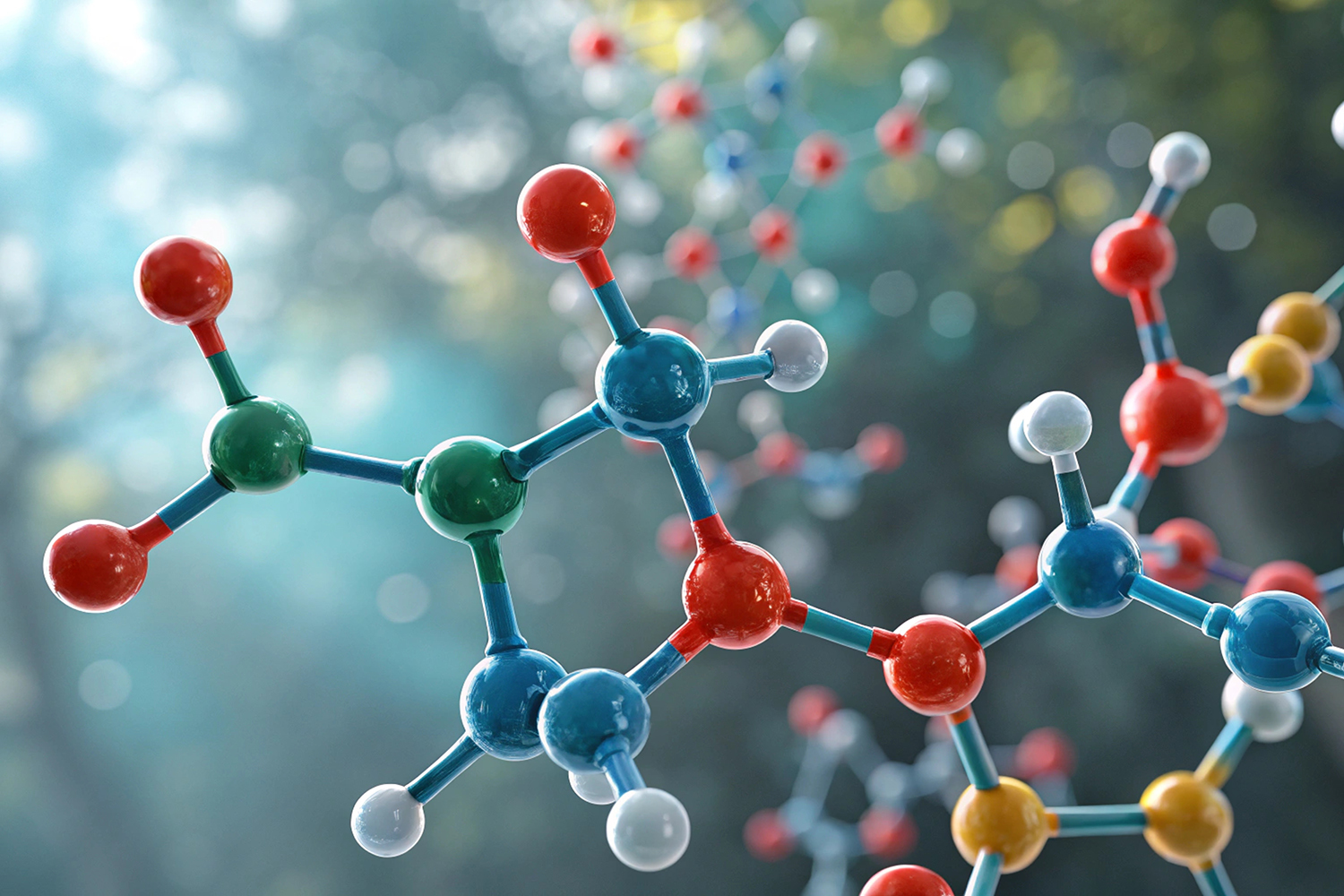
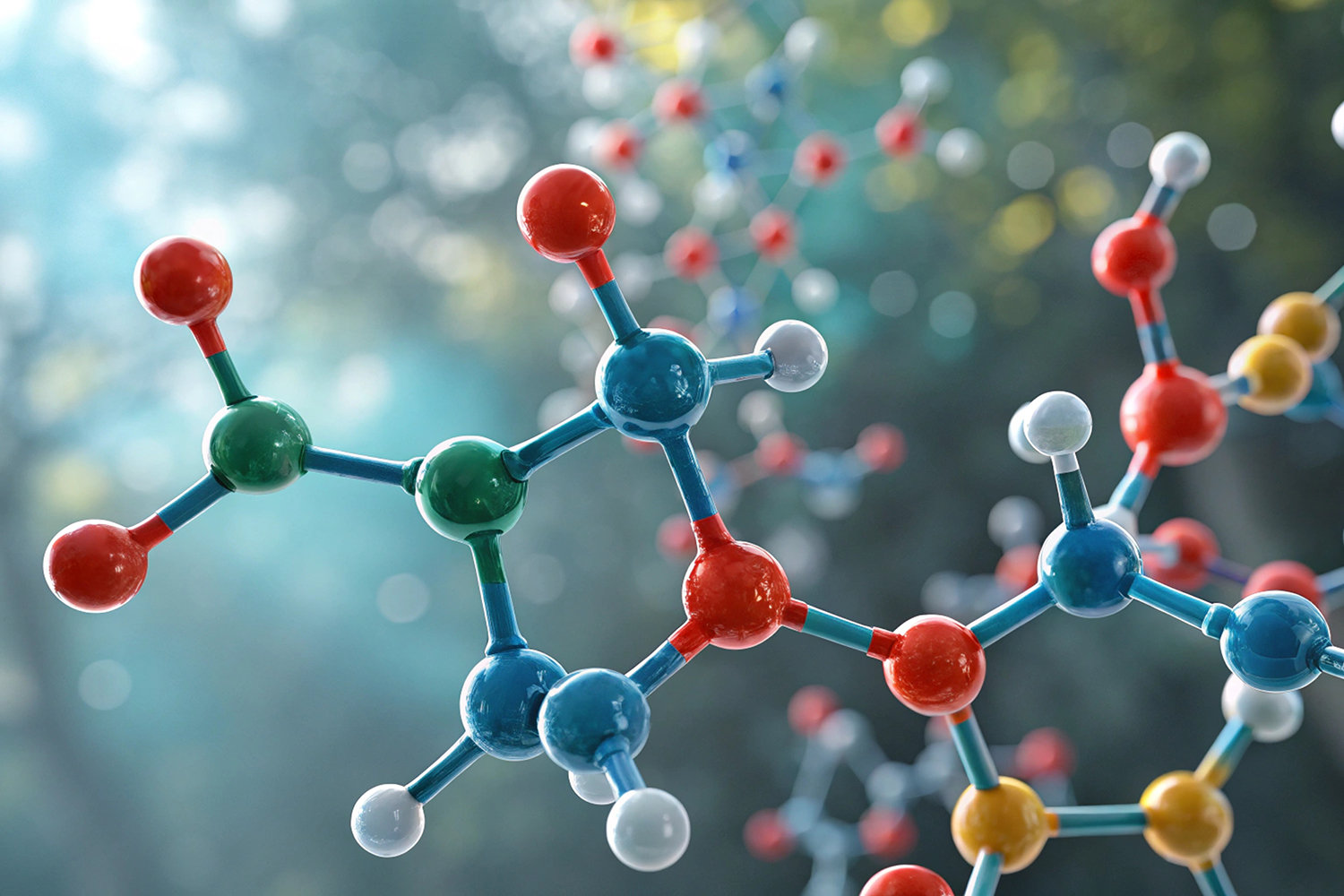
MIT researchers have synthesized and isolated dioxaborirane, a highly strained three-member ring of one boron and two oxygen atoms that chemists had proposed but considered too unstable to exist. The molecule forms instantly at room temperature from a specially engineered boron compound reacting with oxygen gas, bypassing the extreme conditions typically required for such strained rings. The discovery expands boron-based reagent chemistry with potential applications in oxidation reactions for synthesis and materials science. The molecule exhibits dual reactivity: it can donate oxygen atoms for building new compounds, or trap carbon dioxide, suggesting possible uses in greenhouse gas transformation. The work was led by graduate student Chonghe Zhang and professors Christopher Cummins and Robert Gilliard.
Strained ring molecules contain bond angles that deviate from ideal geometries, making them highly reactive. Boron chemistry is less developed than carbon chemistry, offering unexplored territory for new reagents and materials.
Varda Space Industries has partnered with pharmaceutical company United Therapeutics to manufacture drugs in orbit, marking a step toward commercial space manufacturing. The startup, founded by a Founders Fund partner and a former SpaceX engineer, launches small satellites with capsule laboratories that return to Earth after processing experiments. The scientific premise is that microgravity allows chemical mixtures to form crystal structures impossible on Earth, potentially yielding more stable or effective drug formulations. United Therapeutics, led by satellite industry veteran Martine Rothblatt, hopes to extend its pulmonary arterial hypertension drug franchise with improved versions. Varda has flown six missions so far, splitting capacity between pharmaceutical research and military hypersonic technology testing funded by the US Air Force.
Previous space manufacturing experiments were government-funded and small-scale aboard the International Space Station. Varda uses SpaceX Falcon 9 rockets and lands capsules in the Australian outback, aiming to make orbital manufacturing economically viable through frequent, low-cost launches.