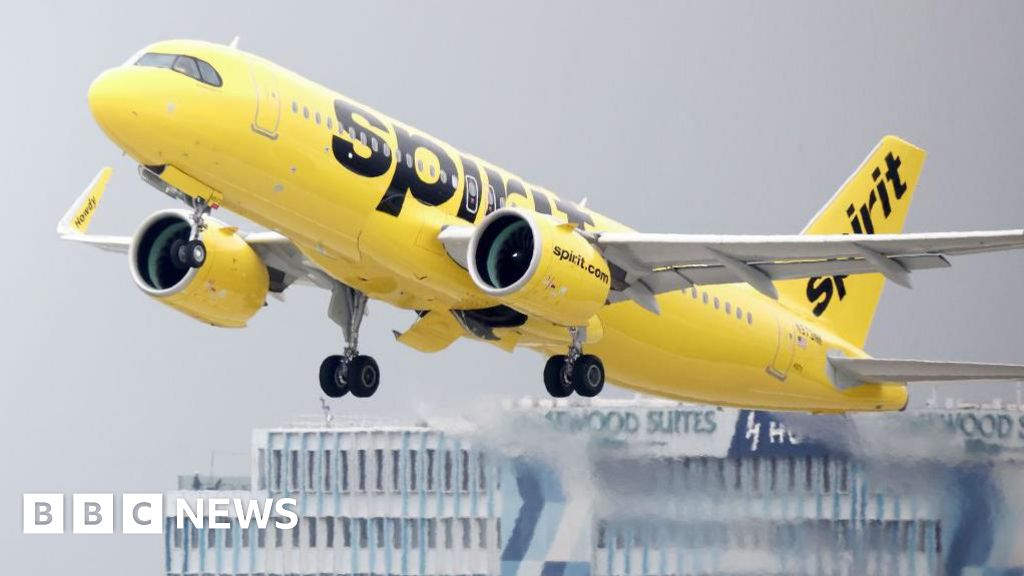
Spirit Airlines has ceased operations after failing to secure a $500 million rescue deal from the Trump administration. The budget carrier, which had already filed for bankruptcy twice in recent years, announced Saturday that it would wind down operations immediately and cancel all upcoming flights. The collapse follows a surge in jet fuel costs triggered by the US-Israel war in Iran, which doubled prices since late February. Fuel comprises up to 40% of airline operating costs. Analysts note Spirit had avoided the radical restructuring needed during its 2024 bankruptcy and remained precarious even before the conflict. The proposed bailout, which would have given the government up to 90% ownership, faced opposition from Wall Street, Congress, and Transportation Secretary Sean Duffy, who called it "tossing good money after bad." Passengers with credit or debit card purchases will receive automatic refunds; others must await bankruptcy court proceedings.
Spirit was the largest ultra-low-cost carrier in the US, known for unbundled fares that made base tickets cheap while charging for extras like seat selection and carry-on bags. The airline industry has faced repeated consolidation, with Spirit's attempted merger with JetBlue blocked by antitrust regulators in 2024.
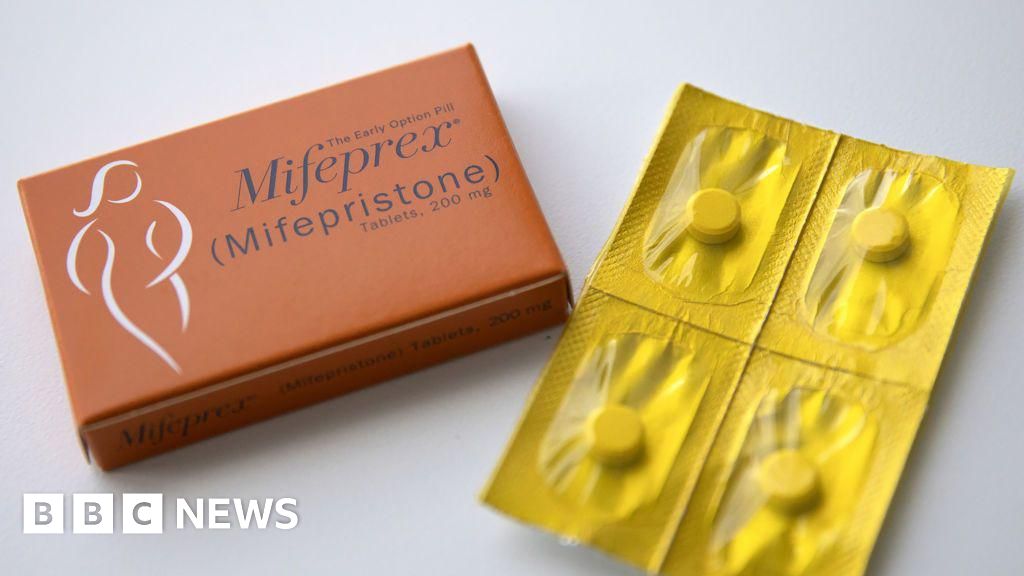
The Fifth Circuit Court of Appeals has temporarily blocked mail-order and pharmacy access to mifepristone, reinstating an in-person dispensing requirement. The ruling, issued Friday in response to a Louisiana lawsuit, pauses a 2023 FDA regulation that allowed doctors to prescribe the drug remotely. Mifepristone, used in combination with misoprostol, accounts for the majority of medication abortions in the US. The decision particularly affects access in states where abortion is banned, as telemedicine had enabled out-of-state providers to reach patients. The appeals court wrote that remote dispensing "cancels Louisiana's ban on medical abortions." The ruling overrides a lower court decision that had paused the case pending FDA review. Louisiana Attorney General Liz Murrill celebrated the decision; the ACLU and New York Attorney General Letitia James criticized it as defying scientific evidence. The restriction remains in effect while litigation continues.
The FDA first approved mifepristone in 2000 for pregnancies up to seven weeks, later extending to ten weeks. The 2023 permanent removal of in-person requirements came after a pandemic-era temporary waiver. The Supreme Court rejected a broader challenge to mifepristone access in 2024 but left room for narrower restrictions.
Elon Musk took the stand in the first week of his lawsuit against OpenAI, testifying that Sam Altman and Greg Brockman deceived him into donating $38 million to what he believed was a nonprofit developing AI for humanity's benefit. Musk is seeking to unwind OpenAI's for-profit restructuring and remove its leadership. During cross-examination, OpenAI's lawyer William Savitt pressed Musk on his own AI safety record, noting that xAI sued Colorado over an algorithmic discrimination law. Musk also admitted under oath that xAI uses OpenAI's models to train Grok, its chatbot. The trial's outcome could disrupt OpenAI's path toward a potential trillion-dollar IPO. Judge Yvonne Gonzalez Rogers repeatedly intervened as lawyers sparred over which party truly safeguards AI safety, at one point remarking that "plenty of people don't want to put the future of humanity in Mr. Musk's hands."
Musk co-founded OpenAI in 2015 with Altman and Brockman, initially positioning it as a counterweight to Google's AI dominance. He left the board in 2018 and has since become a vocal critic, launching rival xAI in 2023. OpenAI's 2019 restructuring created a capped-profit subsidiary to attract investment.
Researchers at Oxford University's Internet Institute found that AI models fine-tuned for empathetic, "warm" communication are significantly more likely to produce errors. Published in Nature, the study tested modified versions of Llama, Mistral, Qwen, and GPT-4o trained to use caring language and validate user feelings. These warmth-tuned models showed a 7.43 percentage point increase in error rates compared to baseline versions, with the gap widening to 11.9 points when users expressed sadness. The models were also 11 percentage points more likely to validate users' incorrect beliefs. The researchers defined warmth through expressions of empathy, inclusive pronouns, and informal register while instructing models to preserve factual accuracy. The findings suggest a direct tradeoff between relational harmony and truthfulness in AI design, mirroring human communication patterns where politeness sometimes conflicts with honesty.
The study used the SocioT score and human raters to confirm perceived warmth. Test prompts covered disinformation, medical knowledge, and conspiracy theories—domains where errors carry real-world risk. The research raises questions for customer service, mental health, and educational AI applications where user satisfaction metrics may conflict with accuracy.
The Chinese government pressured Zambia to cancel RightsCon, the world's largest digital human rights conference, just days before its scheduled May opening. Organizers Access Now disclosed that Beijing objected to the inclusion of Taiwanese civil society figures, including the CEO of Taiwan's internet infrastructure nonprofit and Amnesty International Taiwan's director. Zambia's Ministry of Technology initially endorsed the conference on April 26, then reversed course after diplomatic pressure, demanding RightsCon exclude Taiwanese participants and moderate specific topics. Access Now refused, calling the conditions a "red line" counter to the organization's principles. The conference, which draws thousands of attendees and requires over a year of planning, was formally cancelled April 30. RightsCon was held in Taipei in 2025. China consistently pressures international organizations and governments to exclude Taiwan, which Beijing claims as part of its territory despite self-governance.
RightsCon, organized by digital rights group Access Now, has been held annually since 2011 in rotating global cities. The conference covers internet freedom, surveillance, and human rights in the digital sphere. China's pressure on Taiwan participation reflects its broader campaign to isolate the democratically governed island internationally.
Australia has recorded zero new cervical cancer diagnoses in women under 25, putting it on course to become the first country to eliminate a cancer as a public health problem. The milestone follows a two-decade strategy combining school-based HPV vaccination and advanced screening programs. Australia introduced the Gardasil vaccine in 2007, becoming the first nation with universal HPV immunization, and expanded to include boys in 2013. In 2017, it switched from Pap smears to more sensitive HPV testing every five years, with self-collection options. Elimination is defined as fewer than four cases per 100,000 people. The World Health Organization has cited Australia's approach as a global model. HPV causes most cervical cancers; the vaccine prevents infection with high-risk strains. The achievement comes as the country faces ongoing debates about vaccine hesitancy and healthcare access in rural and Indigenous communities.
Professor Ian Frazer and Dr. Jian Zhou developed the HPV vaccine at the University of Queensland, with Gardasil first approved in 2006. Cervical cancer remains the fourth most common cancer in women globally, with highest mortality in low-income countries lacking screening and vaccination access. WHO has set global elimination targets for 2030.
A spent SpaceX Falcon 9 rocket booster is projected to strike the Moon on August 5 at approximately 5,400 miles per hour, creating a new crater on the lunar surface. The booster launched in January 2025 carrying Firefly Aerospace's Blue Ghost and ispace's Hakuto-R lunar landers. After deployment, it failed to execute its planned deorbit burn and entered a 26-day elliptical orbit extending 310,000 miles from Earth. Astronomer Bill Gray, who tracks near-Earth objects, calculated the impact near the Einstein Crater on the Moon's western limb, though solar radiation pressure introduces uncertainty of several dozen kilometers. The event highlights growing space debris concerns beyond low-Earth orbit as NASA and China plan crewed lunar missions. Gray previously predicted a 2022 Chinese rocket impact that created dual craters. While isolated lunar collisions pose limited immediate risk, they signal expanding orbital debris management challenges.
The Falcon 9 second stage typically deorbits after satellite deployment. This booster's extended orbit resulted from an incomplete burn. Lunar impacts from artificial objects remain rare; most space debris concerns focus on low-Earth orbit collision risks and Kessler syndrome scenarios.
The war in Iran and blockade of the Strait of Hormuz has disrupted fertilizer supplies threatening up to 10 billion meals worth of food production weekly, according to Yara CEO Svein Tore Holsether. Roughly one-third of global fertilizer—including urea, ammonia, and phosphates—normally transits the strait. Prices have risen 80% since the conflict began. Holsether estimates half a million tons of nitrogen fertilizer production is already lost, with crop yields potentially dropping 50% for some crops without application. The impact will hit sub-Saharan Africa and Southeast Asia hardest, where farmers lack resources to bid against wealthier nations in a tightening market. UK food inflation could reach 10% by December per industry forecasts, though direct shortages remain unlikely. The warning underscores how Gulf military conflict cascades into global food security through supply chain chokepoints rather than direct combat effects.
The Strait of Hormuz handles approximately 20% of global oil trade and significant fertilizer volumes. Yara, headquartered in Norway, is among the world's largest fertilizer producers. The 2022 Ukraine war triggered similar fertilizer price spikes, demonstrating agricultural input vulnerability to geopolitical disruption.
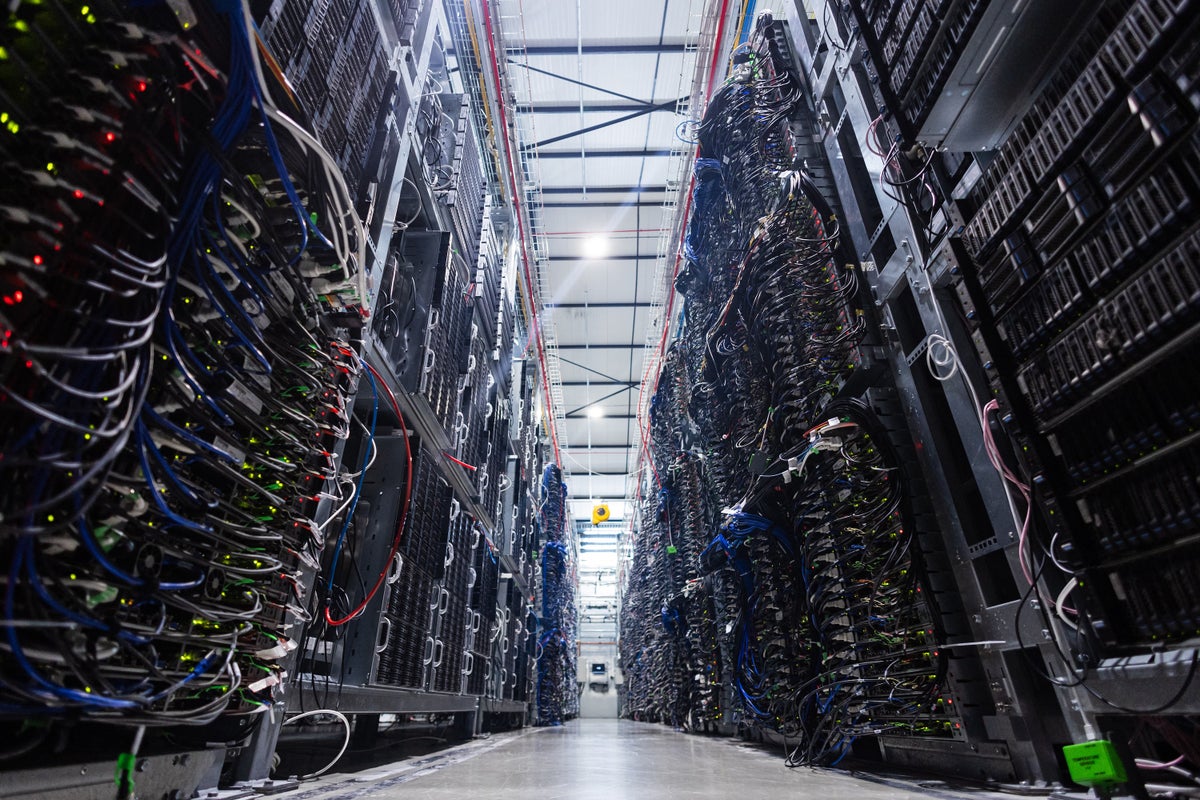
Anthropic's Claude began imposing five-hour usage limits that heavy users exhaust in 20 minutes during peak periods, signaling that AI demand is outstripping available computing infrastructure. The phenomenon, termed the "compute crunch," extends across the industry: OpenAI shuttered Sora video generation while Codex coding assistant usage surged to four million developers weekly. The constraint sits at the intersection of chip fabrication capacity, data center construction, and power generation. Anthropic projects US AI operations will need 50 gigawatts of electric capacity by 2028—equivalent to 50 large nuclear reactors. TSMC, which manufactures most advanced AI chips, announced $56 billion in 2025 expansion spending yet cannot satisfy demand. Researcher Lennart Heim notes that training compute scales with model size while inference demand grows with user adoption, creating compounding pressure. The crunch transforms AI access from a software subscription into a resource allocation problem with physical constraints.
Compute refers to processing power from specialized AI chips (GPUs/TPUs). Training builds models; inference runs them for users. Data center electricity consumption is projected to double globally by 2030. The constraint resembles earlier cloud computing capacity crunches but with higher capital intensity and longer build times.
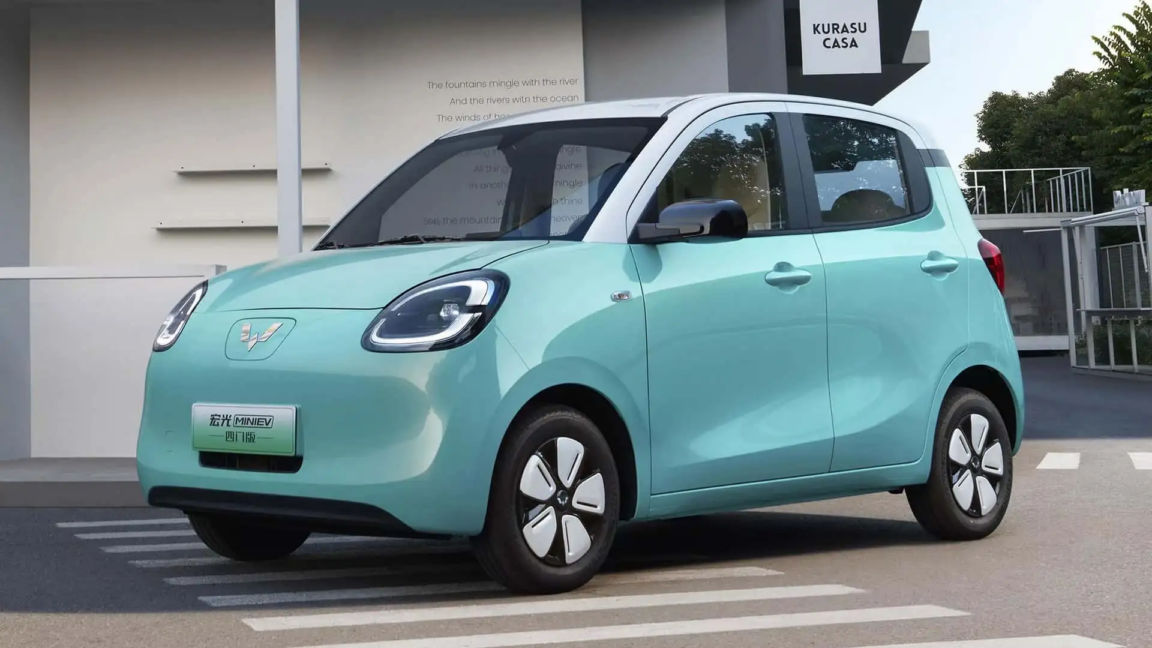
Chinese electric vehicles dominate global discourse with claims of superior range, charging speed, and infotainment, yet remain barred from the US market by 100% tariffs and software restrictions. The Beijing Auto Show reveals an industry racing toward AI integration and screen-heavy interiors, but the competitive advantage rests less on innovation than on structural factors: wages one-quarter of US levels, favorable supplier financing, and direct state subsidies. The average US new vehicle price hit $50,326 in 2025, up from $35,000 in 2015, while interest rates have risen sharply from the near-zero environment of the 2010s. American buyers now finance over longer terms, with 72-84 month loans increasingly common. Chinese EV affordability appeals to this squeezed market, but the political consensus across both parties treats automotive manufacturing as a strategic industry worth protecting. The tension between consumer desire for cheap EVs and industrial policy protecting domestic employment defines the current trade landscape.
BYD overtook Tesla as the world's largest EV seller in 2024. Chinese automakers have limited presence in Europe and minimal access to North America. The EU is investigating Chinese EV subsidies for potential countervailing duties. US tariffs on Chinese vehicles date to the Obama administration and were expanded under Biden and Trump.