Vice President JD Vance arrived in Geneva on Sunday to lead US-Iran technical talks on a nuclear deal, hours after Tehran claimed to have shut the Strait of Hormuz for a second time since ceasefire negotiations began. Iran said it closed the waterway because Israeli troops had not withdrawn from southern Lebanon — a condition it says the memorandum of understanding required. The US disputed this: Central Command stated that 55 merchant ships transited the Strait on Saturday and that Iran does not control the passage. Trump separately threatened to impose American tolls on Strait shipping after 60 days if a final nuclear deal is not reached, billing it as payment for US services as the region's Guardian Angel. Vance's delegation includes special envoy Steve Witkoff and Jared Kushner; Iran's team includes Foreign Minister Araghchi and Parliament Speaker Qalibaf. Pakistan and Qatar are serving as mediators. The talks aim to convert last week's preliminary agreement into a binding nuclear deal within the 60-day window.
The US and Iran signed a memorandum of understanding (MOU) last week after months of fighting that included Israeli strikes on Iran, Iranian proxy attacks across the region, and an initial Hormuz closure. The Strait of Hormuz — a narrow channel between Iran and Oman — carries roughly 20% of global oil. The MOU set a 60-day window for nuclear talks. Previous negotiations collapsed in 2022 when the 2015 Iran nuclear deal (JCPOA) could not be revived.
An Israeli airstrike on a house in the Bureij refugee camp in central Gaza killed Al Jazeera cameraman Ahmed Wishah on Friday, making him the 12th Al Jazeera media worker killed in Gaza since October 2023. The Israeli military accused Wishah of being a Hamas sniper operative without providing evidence. Al Jazeera's network condemned what it called a deliberate killing and dismissed the accusation as baseless, noting the military had relentlessly spread false allegations against its staff. Wishah's brother Mohammed — also an Al Jazeera correspondent — was killed in Gaza two months earlier. Strikes that day killed at least nine people in total according to the Times of Israel, including two of Wishah's sisters. The attacks come as Israeli and Hezbollah forces continue trading fire across the Lebanon border despite a nominally active ceasefire.
Israel launched its ground invasion of Gaza in October 2023 following a Hamas attack that killed about 1,200 Israelis and took roughly 250 hostages. The war has killed more than 50,000 Palestinians according to Gaza health authorities and destroyed most of the territory's infrastructure. Since late 2024, Israel has also conducted operations in Lebanon targeting Hezbollah, Hamas's regional ally. Al Jazeera, the Qatar-based broadcaster, has had more staff killed in Gaza than any other media outlet.
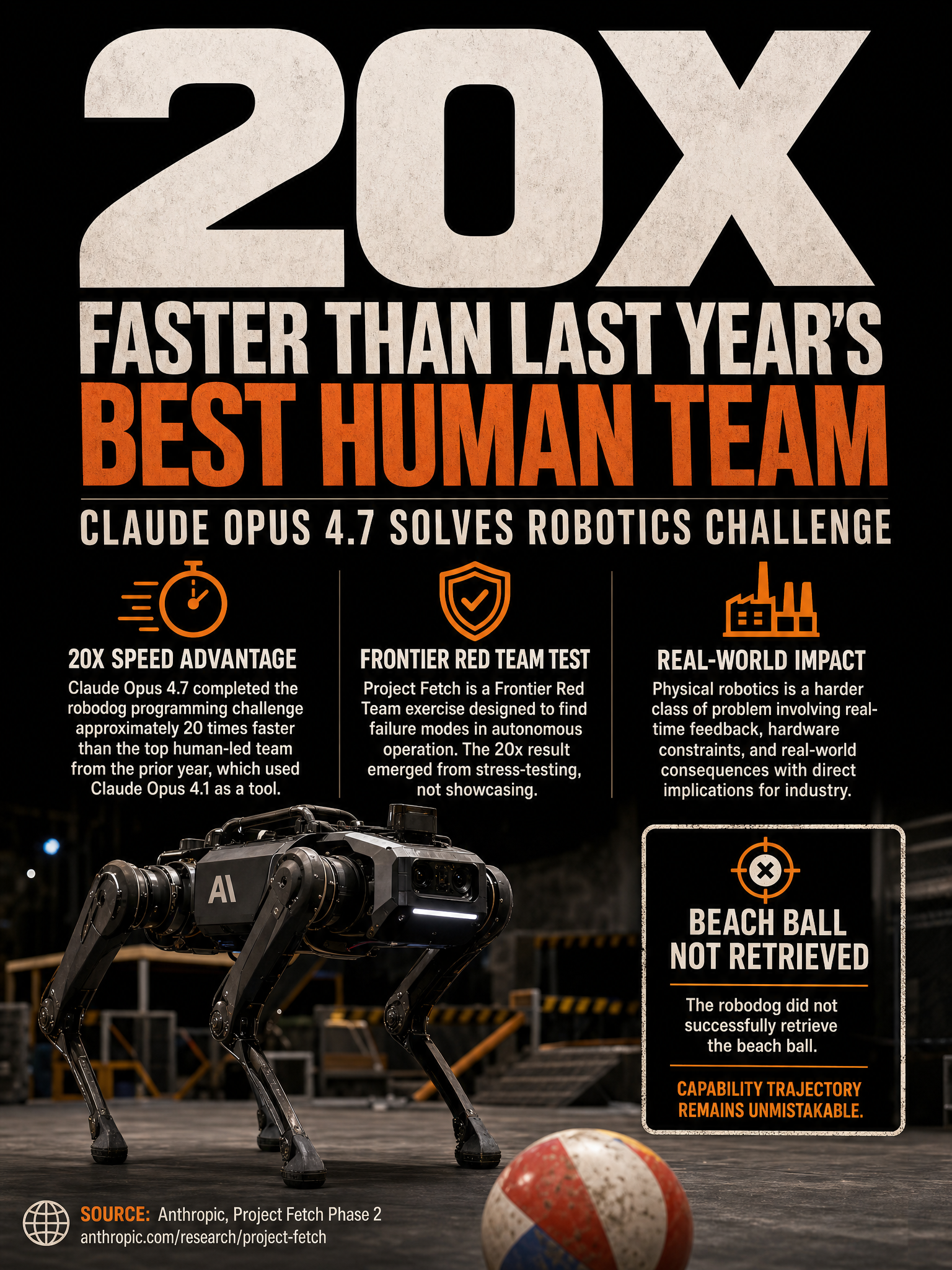
In August 2025, Anthropic held Project Fetch Phase One: human teams competed to program an off-the-shelf robotic quadruped — connect to it, read its sensors, write software to control its motion — with Claude Opus 4.1 as an optional assistant. In Phase Two, Anthropic removed the human from the loop entirely. Claude Opus 4.7, running through Claude Code with no human assistance during task execution, completed every task the human teams had tackled in Phase One, finishing in 9 minutes 35 seconds against 181 minutes for the fastest human team. The model generated 1,045 lines of first-try working code; the best human team produced 10,309 lines requiring iteration. The gains came from general model scaling, not robot-specific training — Opus 4.7 got smarter across the board and that transferred. One significant limitation remains: the model cannot make the dog actually fetch the ball, because closed-loop physical control — continuously sensing and adjusting to real-world feedback — is still unsolved.
Project Fetch tests Claude on a quadruped robot — a four-legged machine also called a robodog. Phase One (2025) showed Claude substantially helped human teams; Phase Two (2026) removed humans from task execution entirely. Claude Code is Anthropic's agentic coding environment where Claude can execute shell commands, write code, and run tests autonomously. The ultimate goal — having the robot physically retrieve a beach ball — remained unsolved.
A study published in the journal Neuron, by researchers at the German Institute of Human Nutrition (DIfE) and Charité — Universitätsmedizin Berlin, finds that deliberately slowing your breathing with a longer exhale can change how the brain evaluates risk. Forty-one healthy participants made risky decisions while following visual breathing cues. Those using a 2-to-8 inhale-to-exhale ratio — slower than their natural rhythm — made more risky choices than those breathing normally. The mechanism runs through the autonomic nervous system: prolonged exhalation increases heart rate variability and raises parasympathetic activity, which in turn boosts reward sensitivity in the ventromedial prefrontal cortex and precuneus — two brain regions that weigh potential gains. Participants with stronger parasympathetic upregulation also showed stronger reward-related brain responses. The finding suggests that breathing pattern is not just a byproduct of emotional state; it shapes real-time decision-making through a chain of inter-organ signals.
Heart rate variability (HRV) measures how much time between heartbeats varies; higher HRV indicates stronger parasympathetic (rest-and-digest) activity. The ventromedial prefrontal cortex is a brain region involved in evaluating rewards and choosing between risky and safe options. Prior research linked breathing pace to mood and stress regulation; this study is among the first to show a direct, controlled effect on risk-taking behavior through a breathing protocol in healthy participants.
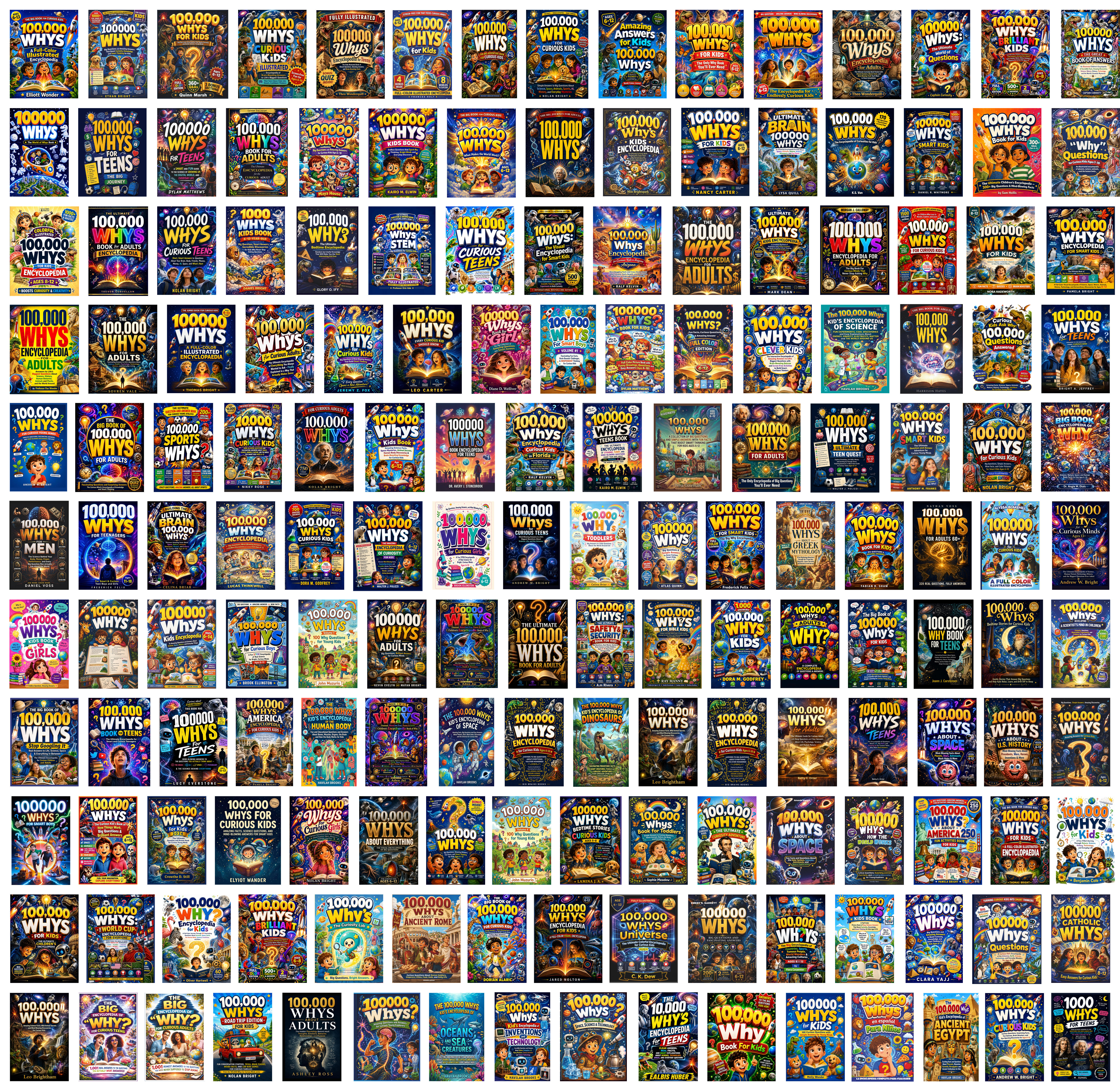
Michal Zalewski, a security researcher and blogger known as lcamtuf, argues that AI-generated content is detectable not because any single phrase sounds robotic, but because models converge on the same complex set of mannerisms when responding to similar prompts. His evidence: an Amazon search for "100000 whys" — a classic children's science book format — returns dozens of covers that are nearly identical, clustering around the same golden retrievers, rockets, and lions, regardless of which seller produced them. Human publishers vary; AI-generated outputs cluster. The insight runs deeper than any one signature: the signal is statistical convergence visible only across many outputs at once, making it useful for identifying AI-dominated content pipelines rather than individual suspicious sentences. For anyone automating content production with language models, Zalewski's warning is that your publication risks becoming indistinguishable from every other AI-assisted one — a brand of a hundred thousand sameness by any other name.
"100,000 Whys of China" is a classic Chinese children's science encyclopedia series with over 150 million copies sold, one of the most widely read books in China. The format inspired many imitators worldwide. Zalewski uses the near-identical clustering of AI-generated book covers imitating this format as empirical evidence that language and image models converge on the same outputs when prompted similarly.
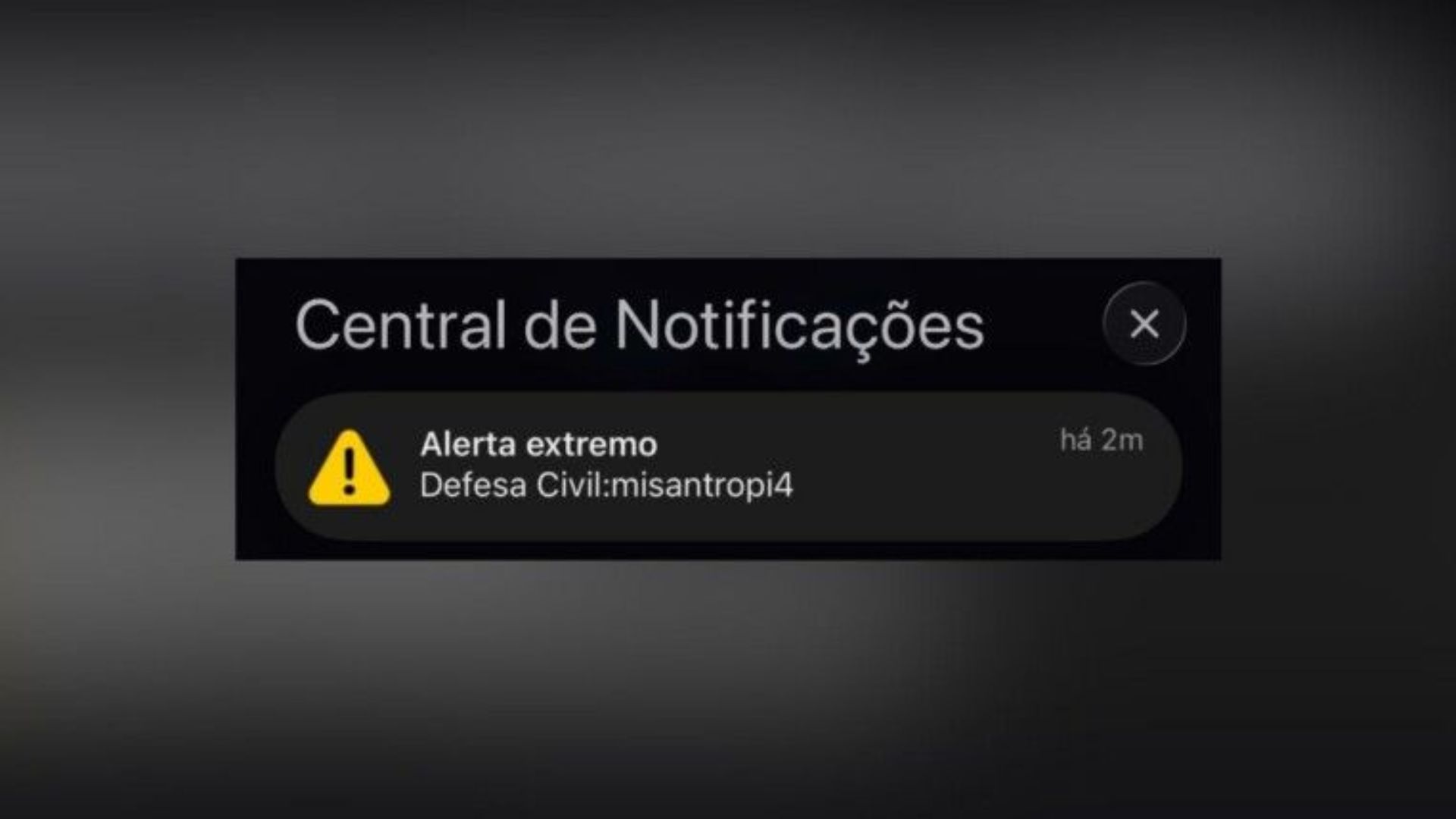
Just after midnight on Friday, millions of Brazilians received an extreme emergency alert on their phones — the tier reserved for immediate life-safety threats, one that overrides silent mode with a sharp alarm. The message, displayed under Brazil's Civil Defense branding, contained a single word: misantropi4, a leetspeak substitution for the Portuguese word misantropia, meaning misanthropy. The alert cascaded across at least five states, including São Paulo and Rio de Janeiro, with a second wave following minutes after the first. Brazil's Ministry of Integration said the platform was accessed by someone outside the national civil-protection system and was taken offline for security review. Federal police opened an investigation. The country's cell-broadcast alert system pushes messages to all compatible phones in a geographic area regardless of carrier or phone number — the same architecture used by the US Wireless Emergency Alerts system for AMBER Alerts — which is what made this breach so widely visible.
Brazil's Civil Defense cell-broadcast system can push messages to all compatible phones within a geographic area without requiring a phone number or account. Leetspeak is a substitution cipher where letters are replaced with visually similar numbers — the "4" in misantropi4 substitutes for the letter A — historically associated with hacking culture. The alert's extreme-tier classification is normally reserved for floods, earthquakes, and other immediate threats.
The Linux kernel has removed strncpy() — a C string-copy function — after six years of cleanup work across 362 individual commits. The function copies up to N bytes from a source string but does not guarantee that the destination buffer will be NUL-terminated: if the source fills all N bytes, no null character is written, and the buffer has no proper end marker. Code that assumes the output is terminated can then read past the buffer boundary, a class of bug that historically produced linear read overflows and hard-to-reproduce crashes. Making matters worse, strncpy zero-fills the entire destination buffer even when the source is shorter, wasting CPU cycles. The kernel formally deprecated strncpy years ago and documented the replacement — strscpy(), which is NUL-safe and does not pad. The challenge was scale: strncpy had thousands of call sites across drivers and subsystems, each requiring individual auditing and replacement. Linux 7.2 closes the last of them.
In C, strings are sequences of bytes terminated by a null character (\0). Functions that read strings rely on finding this terminator to know where the string ends; missing it, they read past the intended boundary into adjacent memory. The Linux kernel is one of the largest C codebases in the world, with millions of lines maintained by thousands of contributors, which is why removing a single deprecated function required years of systematic effort across hundreds of patches.
New York's state comptroller controls nearly $300 billion in pension assets — the retirement savings of teachers, transit workers, and other public employees — with broad discretion over how that money is invested. The Lever's David Sirota argues the position holds more singular power than a US senator and can move financial markets through investment decisions affecting fossil fuels, housing, and corporate governance. Yet the race draws almost no public attention. A primary contest is now underway: progressive challenger Raj Goyle is running against longtime incumbent Thomas DiNapoli, arguing the fund should use its leverage more aggressively on climate and corporate accountability. Goyle says the right has long understood what the left largely ignores — that state fiscal officers represent enormous political power waiting to be activated. In red states since 2021, pension managers have defunded major asset managers over ESG investing practices, demonstrating the real weight these offices carry. The winner controls one of the largest pools of public capital in the country, largely outside the daily scrutiny that follows elected federal officials.
State pension funds accumulate contributions from government employees and employers over decades to fund future retirement benefits. Most are managed by an elected or appointed official with wide investment discretion. ESG (environmental, social, and governance) investing refers to weighing environmental and social factors alongside financial returns when allocating capital. Several red-state pension managers have divested from major asset managers over ESG practices since 2021, demonstrating that these offices can drive significant market shifts.
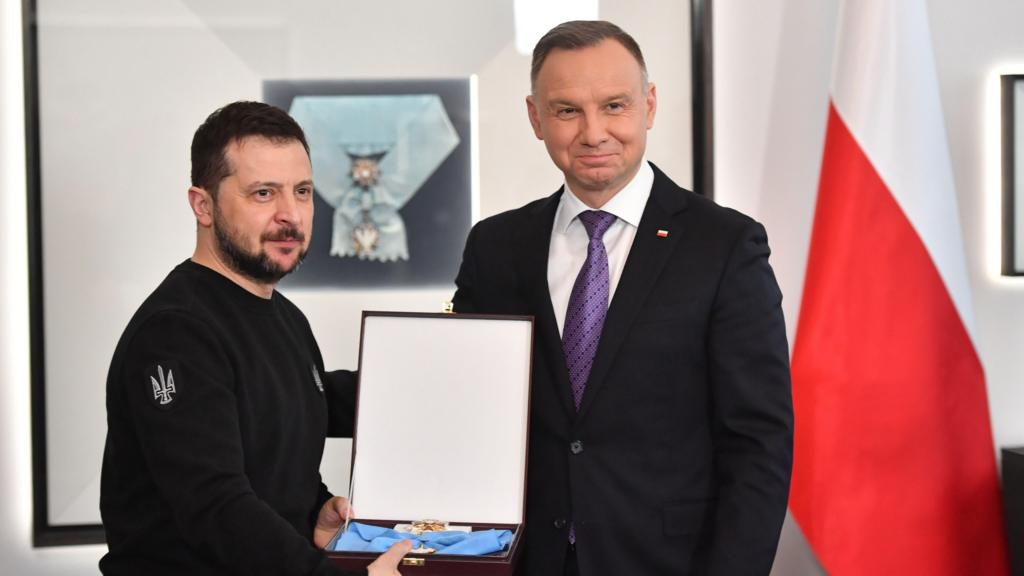
Polish President Karol Nawrocki stripped Zelensky of the Order of the White Eagle — Poland's highest state honour — on June 19, after one of Ukraine's armed forces units was renamed Heroes of the UPA. The UPA, the Ukrainian Insurgent Army, is credited with killing tens of thousands of Poles in Volhynia in 1942–43, a chapter Poland classifies as genocide. The day after, Zelensky photographed himself at a post office mailing the award back via Ukrposhta, Ukraine's national postal service. Several other senior Ukrainian officials — including Foreign Minister Andriy Sibiga and the head of the presidential office — also returned their Polish state honours. Zelensky said Ukraine remained open to engagement about difficult and painful chapters of our shared past, a formulation that neither apologised for the UPA nor dismissed Polish concerns. The dispute exposes a persistent historical fault line in what is otherwise one of Europe's strongest wartime alliances.
The Order of the White Eagle is Poland's highest state decoration. Zelensky received it in April 2023 from then-President Andrzej Duda. The UPA — Ukrainian Insurgent Army — fought both Nazi and Soviet forces during WWII but carried out mass killings of Polish civilians in Volhynia in 1943; Poland classifies these as genocide, while Ukraine's official position has been more ambiguous. The dispute has periodically strained Polish-Ukrainian relations throughout the war.
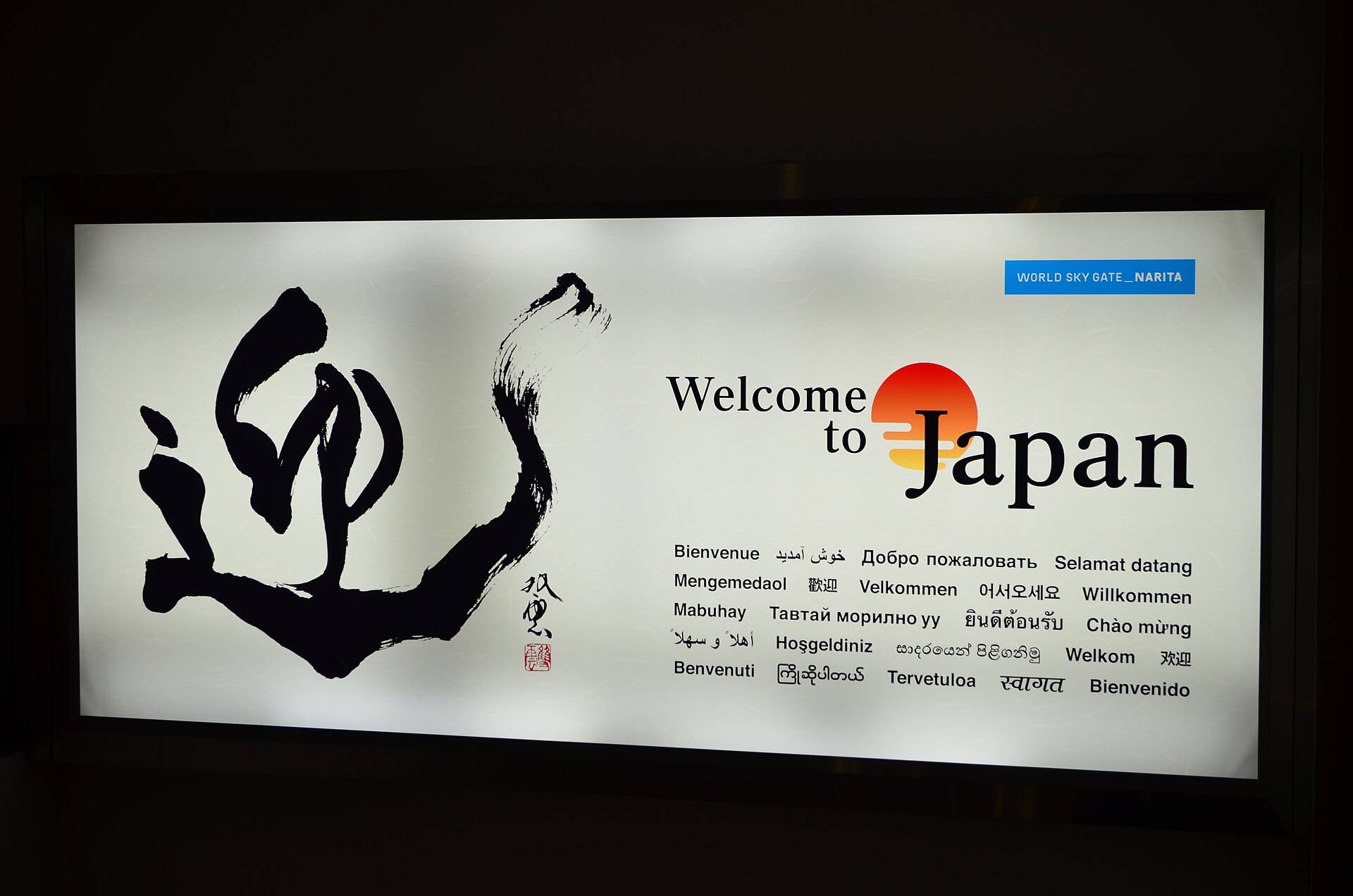
Japan's social cohesion does not come from religion or ethnicity — it comes from cultural fluency, argues Hiroko Yoda, a Japan-based cultural historian, in a guest post for economist Noah Smith's newsletter. Survey data shows Japanese citizens prioritize language ability over race when asked what makes someone Japanese. More important than origin is the ability to read the air — a culturally specific skill of grasping implicit context beneath literal words. Japan's relationship with religion reinforces this: many Japanese people are born Shinto, married Christian, buried Buddhist, participating in ritual without doctrinal commitment. The framework Yoda sketches offers a counterpoint to American culture wars over national identity, where belonging is typically contested through either ethnic heritage or constitutional values. Japan demonstrates, Yoda argues, that stable societies can cohere around shared behavioral norms and everyday cultural participation — without requiring citizens to agree on anything more foundational.
Noah Smith's Noahpinion is an economics-focused Substack newsletter that regularly publishes guest posts from practitioners and researchers with direct country expertise. Hiroko Yoda is co-founder of Pink Tentacle, a Japan-focused cultural documentation project, and has written books on Japanese folklore. Reading the air (空気を読む, kuuki wo yomu) is a Japanese concept describing the social skill of grasping unspoken expectations in a conversation.