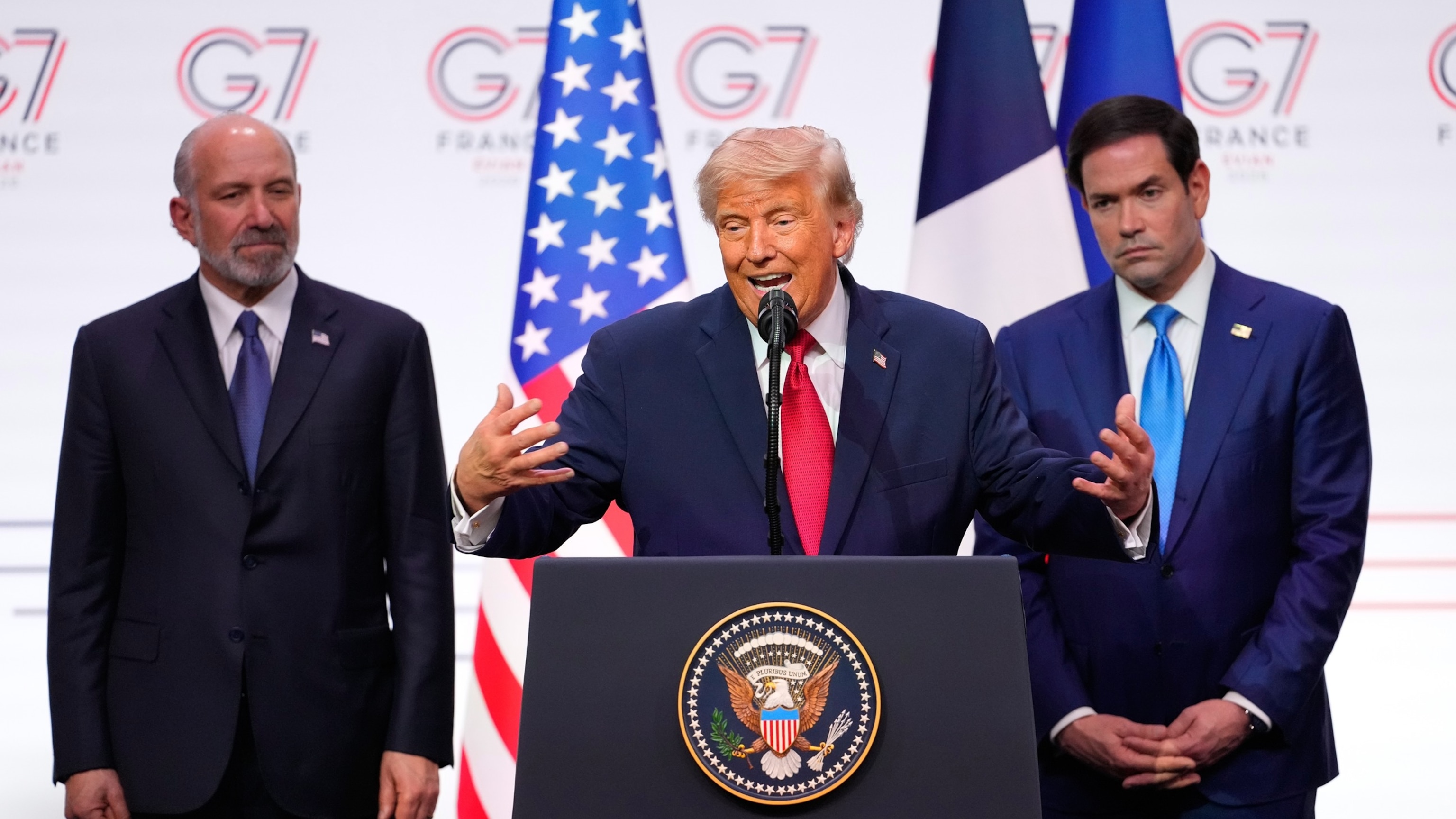
Trump signed a 14-point memorandum of understanding with Iran at the Palace of Versailles on Wednesday, alongside French President Macron, ending weeks of fighting between US and Iranian forces. The document commits both sides to a permanent ceasefire covering Lebanon and requires US military presence to return to pre-war levels within 30 days. Iran receives immediate oil export and banking transaction waivers, and conditions allowing the US to release up to $100 billion in frozen Iranian assets upon compliance; a $300 billion regional reconstruction fund is also proposed. Iran pledges not to build nuclear weapons but keeps its existing highly enriched uranium stockpile during 60 days of final-agreement negotiations. Conservative critics and Harvard law professor Jack Goldsmith called the deal favorable to Tehran; Goldsmith argued Trump may lack legal authority to waive the underlying sanctions. The Strait of Hormuz, which Iran mined during the conflict, stays closed to commercial shipping while mine clearance operations proceed.
The US launched strikes on Iran earlier this year in a conflict that drew in Lebanon and threatened global oil supply through the Strait of Hormuz, the world's most critical oil chokepoint, with roughly 20 percent of global oil trade passing through it. Trump campaigned on ending US military engagements abroad, creating pressure to reach a deal quickly despite objections from hawkish Republicans.
The Federal Reserve held interest rates unchanged at 3.5 to 3.75 percent on Wednesday in Kevin Warsh's first rate-setting meeting as chairman, with all committee members voting in agreement. The unanimous decision came despite Trump's sustained pressure to lower rates and with inflation running at 4.2 percent year-over-year through May, a three-year high driven in part by energy market disruptions during the Iran conflict. Warsh, confirmed by the Senate last month after Trump moved to replace Jerome Powell, told reporters the committee remained focused on price stability. Post-meeting guidance pointed toward a possible rate increase later this year rather than cuts, a hawkish stance that puts Warsh at odds with the White House. Markets fell after the announcement, with the S&P 500 dropping roughly half a percent.
The Federal Reserve sets the overnight rate at which banks lend to one another, which ripples through mortgages, credit cards, and business borrowing. Trump pushed to replace Chair Jerome Powell over disagreements on rate policy; Congress confirmed Warsh, a former Fed governor and Wall Street banker, in May 2026.
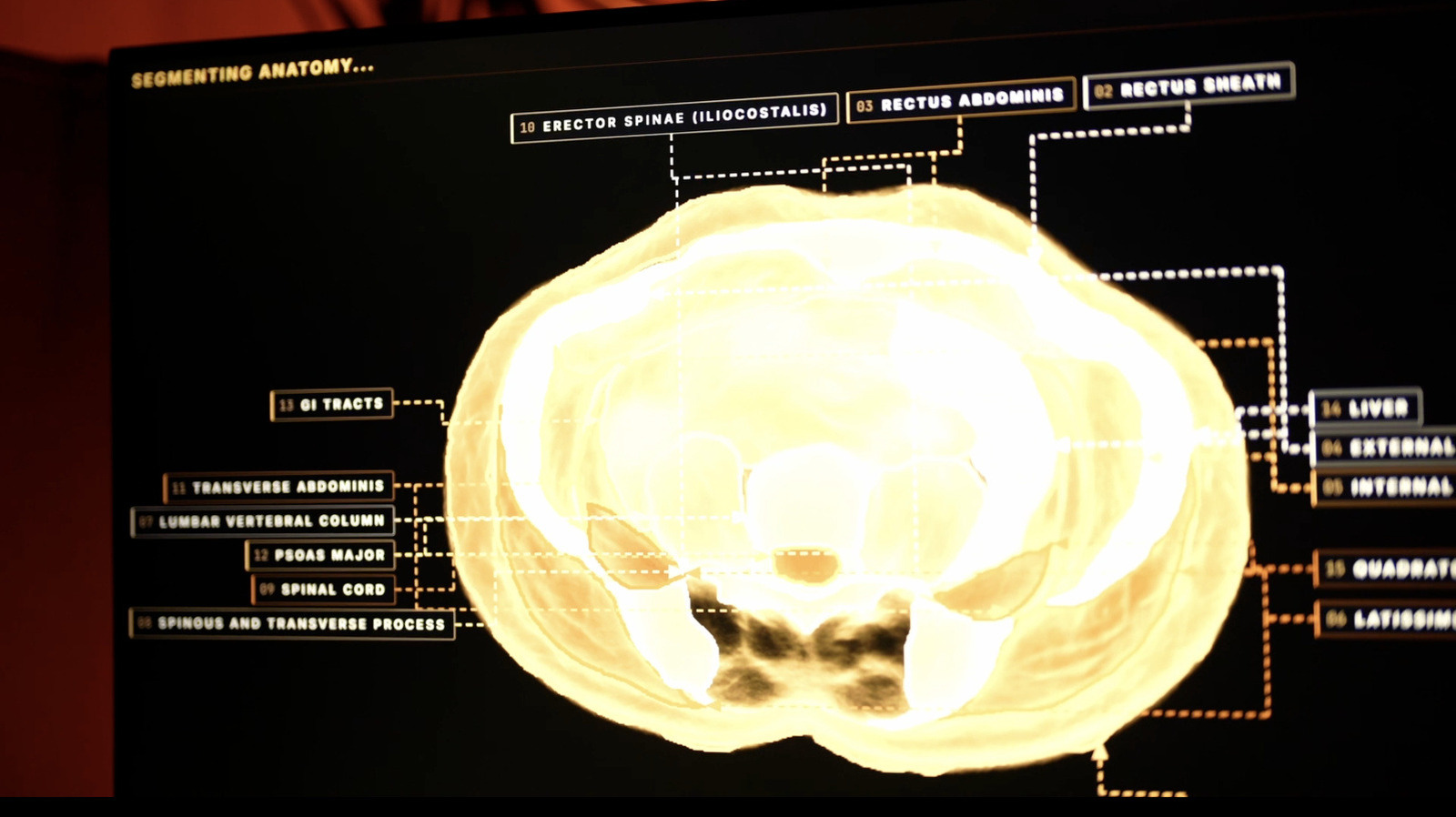
Midjourney, the AI image-generation company, announced a pivot into medical hardware on Wednesday with the Midjourney Scanner, a full-body ultrasonic computational tomography device the company says has no precedent. The system places 8,960 ultrasound transducers around the body to produce scans at 0.5-millimeter resolution in about one minute, with no radiation and session costs of a few dollars. Standard MRI scans take 15 to 90 minutes and typically cost hundreds to thousands of dollars. Midjourney plans to open its first public scanning location, branded a Midjourney Spa, in San Francisco's Union Square in 2027, with multi-city expansion by 2028 and a goal of 50,000 units worldwide by 2031. FDA discussions are underway; the company intends to pursue initial clearance for body composition analysis, a more straightforward regulatory path than diagnostic imaging. Coverage from Bloomberg and Engadget ranged from optimistic to skeptical about the technical claims.
Midjourney was founded in 2022 and became one of the first widely used text-to-image AI tools, known for high-resolution images generated from text prompts. This hardware announcement marks a dramatic shift for the company, which has no prior medical or physical-device products.
Volkswagen began blocking users of GrapheneOS from its mobile app in late May, drawing backlash from privacy-focused EV owners. GrapheneOS is a hardened Android variant, trusted by journalists and security researchers, that removes Google's data-collection components and tightens app sandboxing; Volkswagen's app now performs Google Play Integrity checks that reject any non-standard Android environment. The casualty for many owners is solar-surplus EV charging: tools like Home Assistant and ioBroker let drivers automatically charge their cars when solar panels produce excess power, and VW's API change on May 27 cut off that automation for anyone on GrapheneOS or other custom operating systems. Community critics argue the move is commercial rather than technical, pointing to VW's paid WeConnect subscription service for vehicle data access, which the Play Integrity requirement pushes users toward. The EU Data Act, taking effect in September, may require car makers to provide free access to vehicle data, a rule that would conflict with Volkswagen's current approach.
Google's Play Integrity API lets apps verify whether they are running on an unmodified, certified Android device. App developers use it to block rooted phones or custom operating systems. Critics argue it turns Google Play certification into a prerequisite for basic third-party device functionality, reinforcing Google's app-store monopoly.
Quantinuum published a Nature paper Wednesday reporting that its 98-qubit Helios quantum processor performs calculations that classical supercomputers cannot replicate, a milestone the company calls quantum advantage. The machine traps 98 individual barium ions in a rotating ring and controls them with laser pulses. Any qubit can interact with any other qubit, removing a constraint that has limited earlier trapped-ion machines and required time-consuming ion shuttling for distant qubit pairs. Independent verification at Sandia National Laboratories confirmed single-qubit gate fidelity of 99.9975 percent and two-qubit gate fidelity of 99.921 percent, both records for a system of this scale. The quantum advantage claim relies on random circuit sampling, where the output is statistically too complex to reproduce on classical hardware. Quantinuum announced simultaneous commercial availability for research institutions alongside the paper; pricing details were not disclosed.
Trapped-ion quantum computers use electrically charged atoms as computing units, held in place by magnetic fields and controlled with lasers. Gate fidelity measures how accurately an operation executes: higher fidelity means fewer errors as circuits grow. Sustained 99.9 percent two-qubit gate fidelity is a key threshold for building practical fault-tolerant quantum systems.
Neuroscientists at Massachusetts General Hospital mapped individual neurons in the human brain responsible for constructing language, a finding published in Nature this week. The team, led by Jing Cai, implanted microelectrode arrays in eight patients already undergoing surgical monitoring for epilepsy and recorded the activity of hundreds of individual cells while patients spoke. By aligning those recordings with transcripts and analyzing them with AI language models, the researchers identified specialized neurons: most cells encode either the meaning of words (semantics) or grammatical structure (syntax), but not both. These language neurons are scattered across the left frontotemporal cortex, with the left hemisphere encoding linguistic information more than the right. The division of labor at the single-cell level surprised researchers who expected more diffuse, network-level language processing. The team is now working on decoding the actual meaning of words from raw neural activity, a step toward a speech prosthetic that works without requiring a patient to vocalize.
ALS, or amyotrophic lateral sclerosis, is a progressive neurological disease that destroys the motor neurons controlling voluntary movement, including speech. Current brain-computer interfaces for ALS patients typically decode intended movement rather than language. A device that reads language from single-neuron activity could restore communication far more fluidly than existing systems allow.
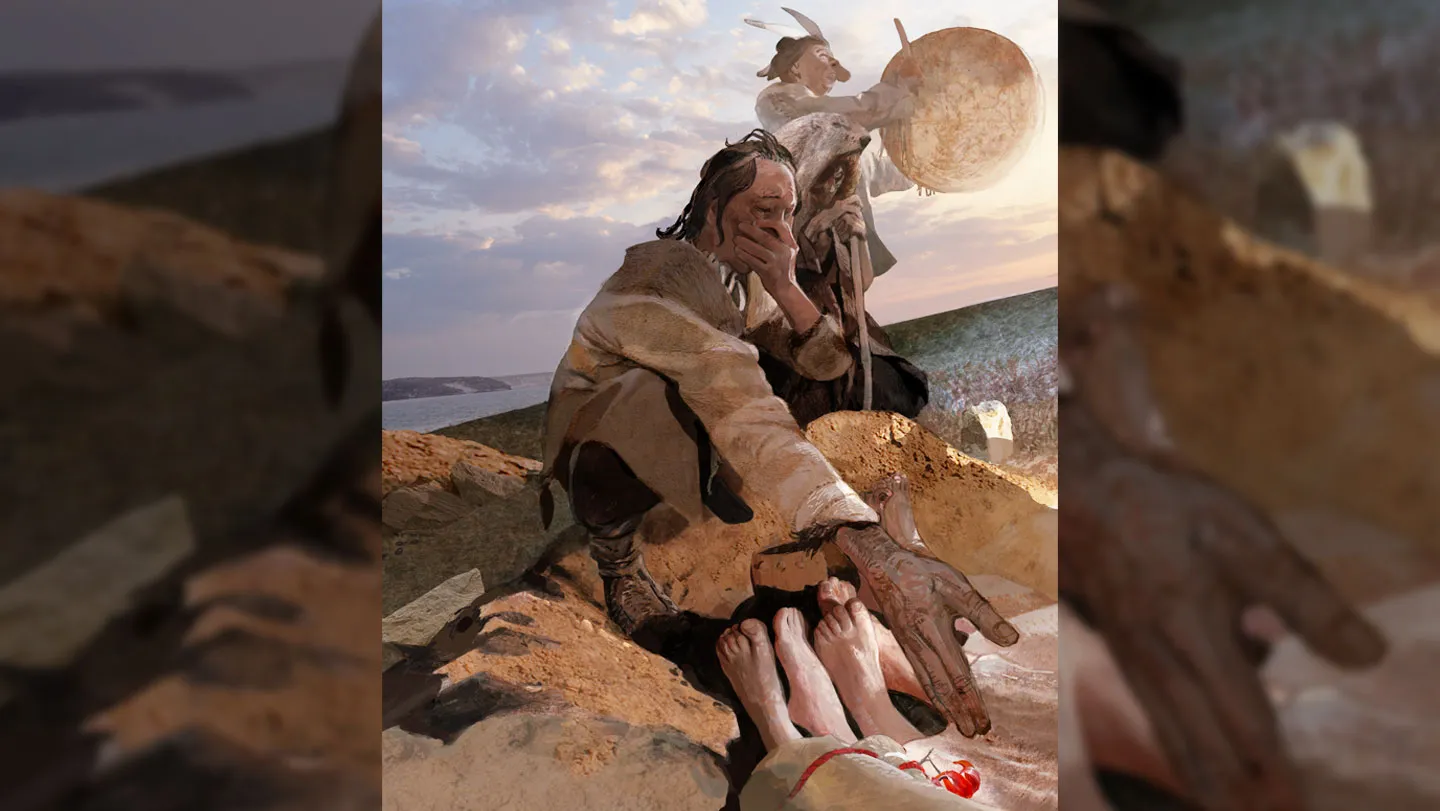
Researchers found evidence of devastating plague outbreaks among hunter-gatherers near Lake Baikal in Siberia roughly 5,500 years ago, nearly two thousand years older than any previously documented case, in a Nature paper published this week. The team extracted bacterial DNA from the dental tissue of 46 individuals across four burial sites, finding Yersinia pestis, the bacterium behind the medieval Black Death, in about 40 percent of the remains. That infection rate matches plague pit mortality from 14th-century Europe. Children aged 8 to 11 died at disproportionate rates. The ancient strain carried a superantigen toxin absent from later versions of the bacterium, likely driving severe inflammatory responses. These hunter-gatherers were small, mobile communities, which challenges the long-held assumption that plague required dense agricultural populations to spread. The team believes the pathogen spread through contact with infected marmots or other rodents rather than through the flea-based transmission routes associated with later outbreaks.
Yersinia pestis caused three of history's deadliest pandemics: the Plague of Justinian in the 6th century, the Black Death in the 14th (which killed up to a third of Europe's population), and the Third Plague Pandemic beginning in the 19th century. The bacterium's evolutionary origins and earliest outbreaks have been debated for decades.
Japan's Defense Minister Shinjiro Koizumi told the BBC that strengthening the country's military is critical to preventing war in the Pacific, the most direct statement yet from Tokyo's new government about departing from the pacifist posture Japan has maintained since World War Two. Koizumi, speaking before this week's G7 summit, said Japan needs layered deterrence combining its own capabilities, the US alliance, and coordination with like-minded nations. Prime Minister Sanae Takaichi, who took office in October 2025, has been pushing to revise Article 9 of Japan's constitution, the clause that renounces war as a state policy. Tokyo has already relaxed decades-old arms export restrictions to allow sales and transfers of lethal equipment to 17 partner countries, including the US and UK, for the first time in roughly 50 years. China has called Japan's defense buildup new militarism, a charge Koizumi's government has rejected.
Japan's postwar constitution, drafted under US occupation in 1947, includes Article 9, which bans Japan from maintaining war potential or settling international disputes by force. For decades Japan interpreted this as a near-total prohibition on offensive military capability. The US-Japan security treaty has served as Japan's primary defense guarantee since 1960.
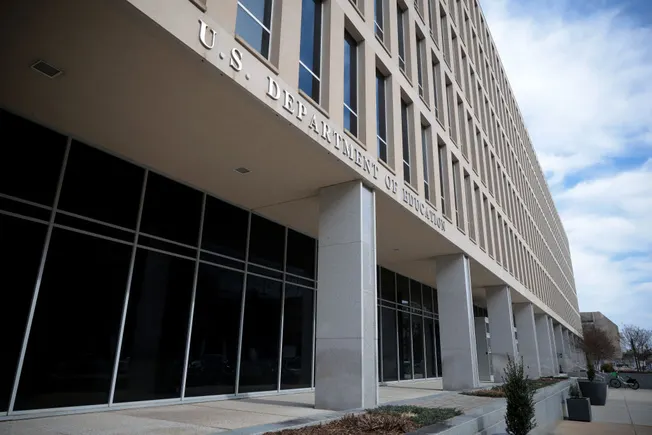
The Trump administration transferred the Education Department's civil rights enforcement work to the Justice Department Monday, the fourteenth agreement this year offloading Education Department responsibilities to other agencies. The Education Department's Office for Civil Rights handles complaints from students at K-12 schools and universities alleging discrimination based on disability, race, gender, and national origin, roughly 19,000 complaints annually. Under the new arrangement, the Justice Department's Civil Rights Division will evaluate and investigate those cases; the Education Department retains only formal case management and statutory reporting duties. Former Education Department lawyers told NPR and the Washington Post that the shift will weaken enforcement, given the Justice Department's limited bandwidth for education-specific work and its current focus on other administration priorities. The administration has framed the transfer as reducing bureaucratic redundancy within a department Trump has said he intends to eliminate.
The Office for Civil Rights was established under Title VI of the Civil Rights Act of 1964 and has jurisdiction over every school and university that receives federal funding. Its authority extends to disability rights under Section 504 and the Americans with Disabilities Act, as well as Title IX protections for gender equity in education.
Iraqi striker Aymen Hussein scored his country's second World Cup goal in history on Tuesday at Gillette Stadium in Foxborough, a moment that came two weeks after he was held for several hours by US customs agents at O'Hare Airport in Chicago. Hussein was cleared to compete and in the 38th minute headed in a cross from teammate Amir Alammari against Norway, giving Iraq a foothold in a match they ultimately lost 4-1. Norway's Erling Haaland scored twice in the same game. The goal marked only the second time Iraq has scored in World Cup competition, and came on US soil at a tournament hosted by the United States, Canada, and Mexico, with several group-stage matches played at Gillette Stadium in New England. The 2026 World Cup is the first to feature 48 nations; Iraq has qualified for only its third appearance. Hussein has not commented publicly on the circumstances of his detention, which drew attention amid broader debates over US travel restrictions affecting international athletes.
Iraq qualified for only its third FIFA World Cup appearance in this tournament. The country last appeared in the 1986 World Cup in Mexico. The 2026 tournament, co-hosted by the US, Canada, and Mexico, is the first to expand to 48 teams from the previous 32-team format.