President Trump met with top aides in the White House Situation Room on Friday to decide on a framework for extending the ceasefire with Iran, but the meeting ended without a clear outcome. Trump insisted Iran must never have a nuclear weapon, that the Strait of Hormuz be reopened for unrestricted shipping, and that any mines be destroyed. US officials had said a memorandum of understanding was agreed Thursday, pending approval from Trump and Iran's leadership, which would extend the ceasefire 60 days and launch nuclear talks. Iran's foreign ministry said it is focused on ending the war and not negotiating on its nuclear program, which it insists is civilian. The US and Israel struck Iran in February, Iran retaliated by attacking US-allied Gulf states and effectively closing the strait, sending oil prices soaring.
The US-Israel strikes on Iran in February 2026 triggered a wider conflict. Iran responded by attacking Gulf states and mining the Strait of Hormuz, through which 20% of global oil supplies normally pass. A ceasefire took effect on 8 April, but negotiations have stalled over Iran's nuclear enrichment and the naval blockade.
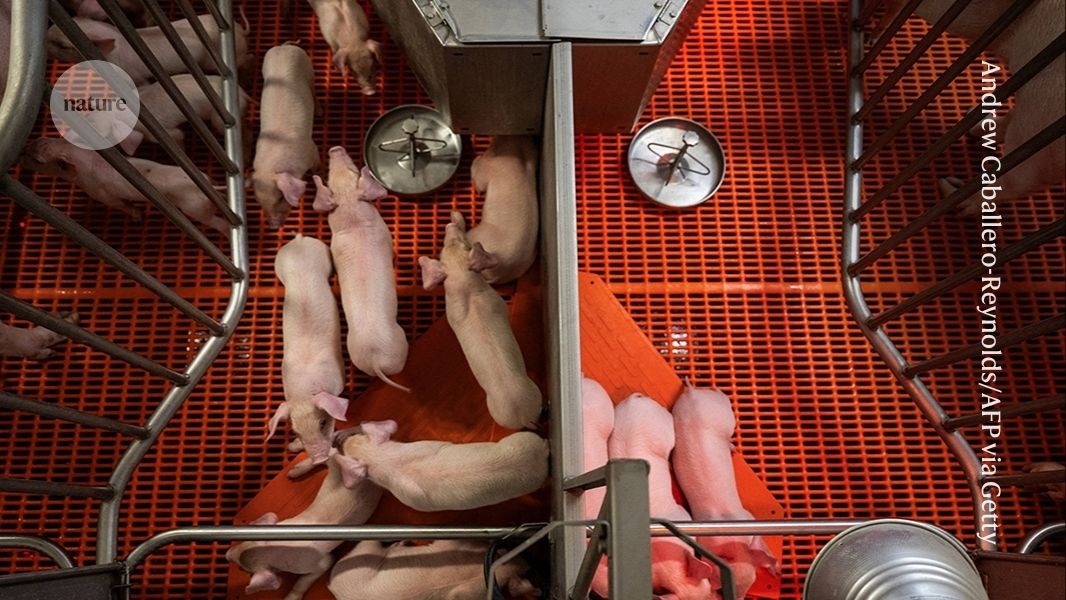
A 53-year-old clinically dead man in China became the first person to receive two kidneys and a whole liver from a genetically modified pig, researchers report in Med. The organs functioned for nearly five days with no signs of rejection in the first 24 hours. The pig had six gene edits: three human genes added to reduce clotting risk, and three pig genes removed to prevent immune rejection. The procedure, led by Xuyong Sun at the Second Affiliated Hospital of Guangxi Medical University, is the first multi-organ xenotransplant. The pig liver began secreting bile within 19 hours, and the kidneys normalized waste levels. After 36 hours, early rejection signs appeared, but the team identified immune cells that could be targeted with drugs to improve long-term outcomes. The study shows multi-organ pig transplants are possible, a step toward addressing the shortage of human donor organs.
Xenotransplantation — transplanting animal organs into humans — has advanced with gene-edited pigs. Previous experiments involved single organs: pig hearts, kidneys, and partial livers have been transplanted into people. Clinical trials in living patients are underway in the US and China. Multi-organ transplants are more complex and riskier.
Ghana's parliament approved a bill criminalizing homosexuality and the promotion of LGBTQ+ activities. Identifying as gay, lesbian, bisexual, transgender, or queer can be punished by up to three years in prison. The law also imposes a 'duty to report' prohibited acts to police, and anyone identifying as an 'ally' could face jail time. Religious leaders have pressured President John Dramani Mahama to sign the bill; he has previously said he believes only two genders exist and marriage is between a man and a woman. Human Rights Watch condemned the legislation, saying it puts LGBTQ+ people at risk and encourages citizens to surveil each other. Same-sex relationships were already banned under colonial-era laws. A similar bill passed in 2024 but was not signed by the former president amid legal challenges. Several African countries have recently tightened anti-LGBTQ+ laws, including Senegal and Uganda.
Ghana's previous anti-LGBTQ+ bill passed parliament in 2024 but stalled when then-President Akufo-Addo declined to sign it, citing pending legal challenges. President Mahama, who took office in 2025, has signaled support for stricter laws. Uganda introduced a death penalty for certain same-sex acts in 2023, and Senegal passed a similar law in March 2026.
Ukraine is using AI-enabled drones to attack Russian supply convoys deep behind front lines, according to BBC Verify analysis. At least 14 incidents in the past week show vehicles carrying food, fuel, and ammunition destroyed along routes connecting Russia to Crimea and occupied southern Ukraine. The drones, including the Hornet system, use AI trained on thousands of hours of video to identify military targets and can operate over 100 miles from launch points, aided by Starlink connectivity. Experts say the campaign has forced Russia to shorten convoys and disrupted logistics critical for sustaining frontline units. Ukraine's defense minister called it a 'logistics lockdown' strategy. Analysts estimate some Russian brigades need up to 1,000 tonnes of supplies daily. For the first time since 2023, Ukraine is regaining more ground than it is losing, according to the Institute for the Study of War.
The war in Ukraine has seen heavy use of drones, but recent AI advancements allow Ukraine to strike targets at greater distances with higher accuracy. The Hornet drone's AI targeting system was trained on years of footage of Russian military equipment. Starlink satellite internet helps maintain connectivity over long ranges, resisting Russian jamming.
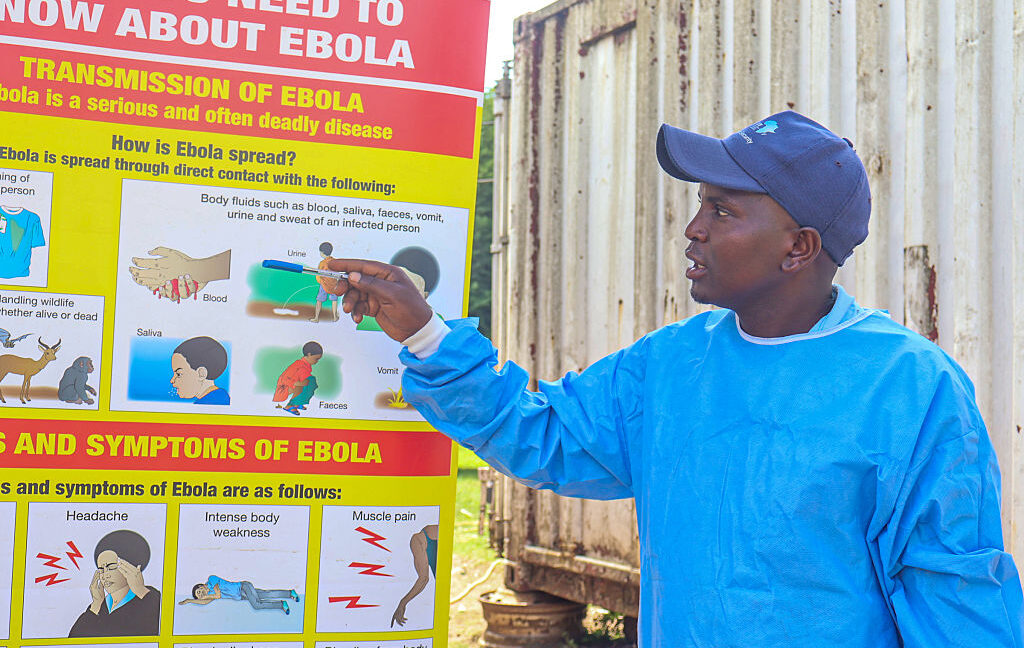
A Kenyan high court halted the Trump administration's plan to set up a makeshift Ebola quarantine and treatment facility in Laikipia, about 120 miles north of Nairobi, citing an 'imminent threat to life.' The US had planned a 50-bed quarantine unit at an air base, with isolation units to follow, rather than repatriating Americans exposed in the ongoing Ebola outbreak in the Democratic Republic of the Congo. The Katiba Institute, a rights group, filed a petition arguing the secretive, unilateral plan violated Kenyans' constitutional rights to life, health, and public participation. The court ordered a halt until a full hearing on June 2. US officials said infected Americans needing advanced care would be evacuated to an undetermined location in Europe. The WHO has reported 1,041 cases and 241 deaths in the outbreak.
The US has previously treated 11 Ebola patients domestically in specialized biocontainment units, with no secondary transmission. The Trump administration withdrew from the WHO and dismantled USAID. The current Ebola outbreak in the DRC has 135 confirmed cases and 906 suspected. The US plan to use Kenya drew criticism for offloading risk onto a country without Ebola.
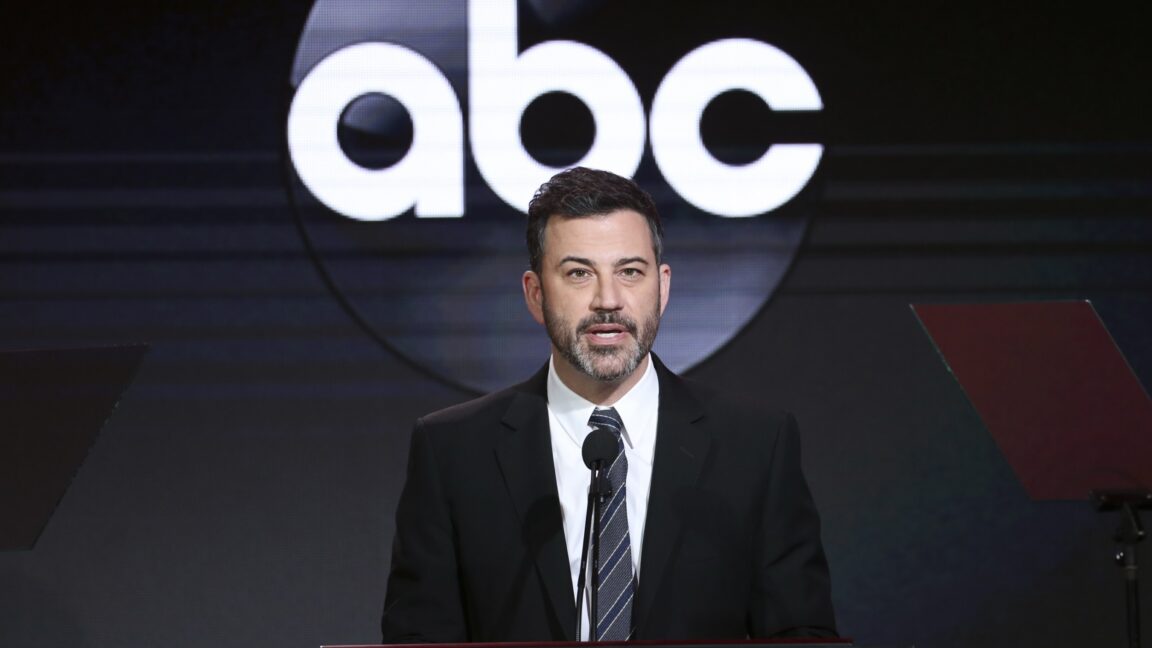
The Federal Communications Commission issued a public notice warning all broadcasters to review their operations for compliance with 'public interest obligations' or risk license revocation, the same day ABC filed early license renewal applications under protest. FCC Chairman Brendan Carr ordered Disney-owned ABC to submit early renewals for all eight of its TV stations, alleging its diversity, equity, and inclusion practices violate anti-discrimination rules. ABC called the order an unprecedented attack on a single company's entire portfolio, designed to punish disfavored editorial voices. The FCC said it may order early license reviews or other punitive measures when broadcasters fail to serve the public interest. ABC argued the order has no legitimate purpose and is incompatible with the First Amendment. Carr accused Disney of providing disingenuous responses to the agency's investigation.
FCC Chairman Brendan Carr, appointed by President Trump, has repeatedly threatened to revoke licenses of networks critical of the administration. The FCC ordered ABC to file early renewals in April 2026, the first such demand in over five decades. ABC's filings cover stations in New York, Los Angeles, Chicago, and other major markets.
The United Nations added Israel to its blacklist of countries that commit sexual violence in conflict zones, after verifying 31 cases perpetrated by Israeli forces against Palestinians from Gaza and the West Bank. The report documented rape, gang rape, forced nudity, and genital violence against 14 men, 7 women, 9 boys, and 1 girl. The UN said its investigation was obstructed by Israel and that the cases are indicative of broader patterns. Israel rejected the allegations and said it would break off relations with Secretary-General António Guterres's office, accusing him of antisemitism. The report follows high-profile incidents, including leaked CCTV footage of Israeli guards sexually abusing a Palestinian detainee at Sde Teiman; charges against the guards were dropped in March. Human rights groups have long criticized a lack of accountability for abuses by Israeli troops.
The UN's annual 'Conflict-related Sexual Violence' report previously added Hamas in 2024 for allegations by released hostages. The UN Committee against Torture said in November 2025 that it was concerned about 'a de facto state policy of organized and widespread torture' of Palestinian detainees. Israel has denied systematic abuse and launched a defamation lawsuit against the New York Times over a similar report.
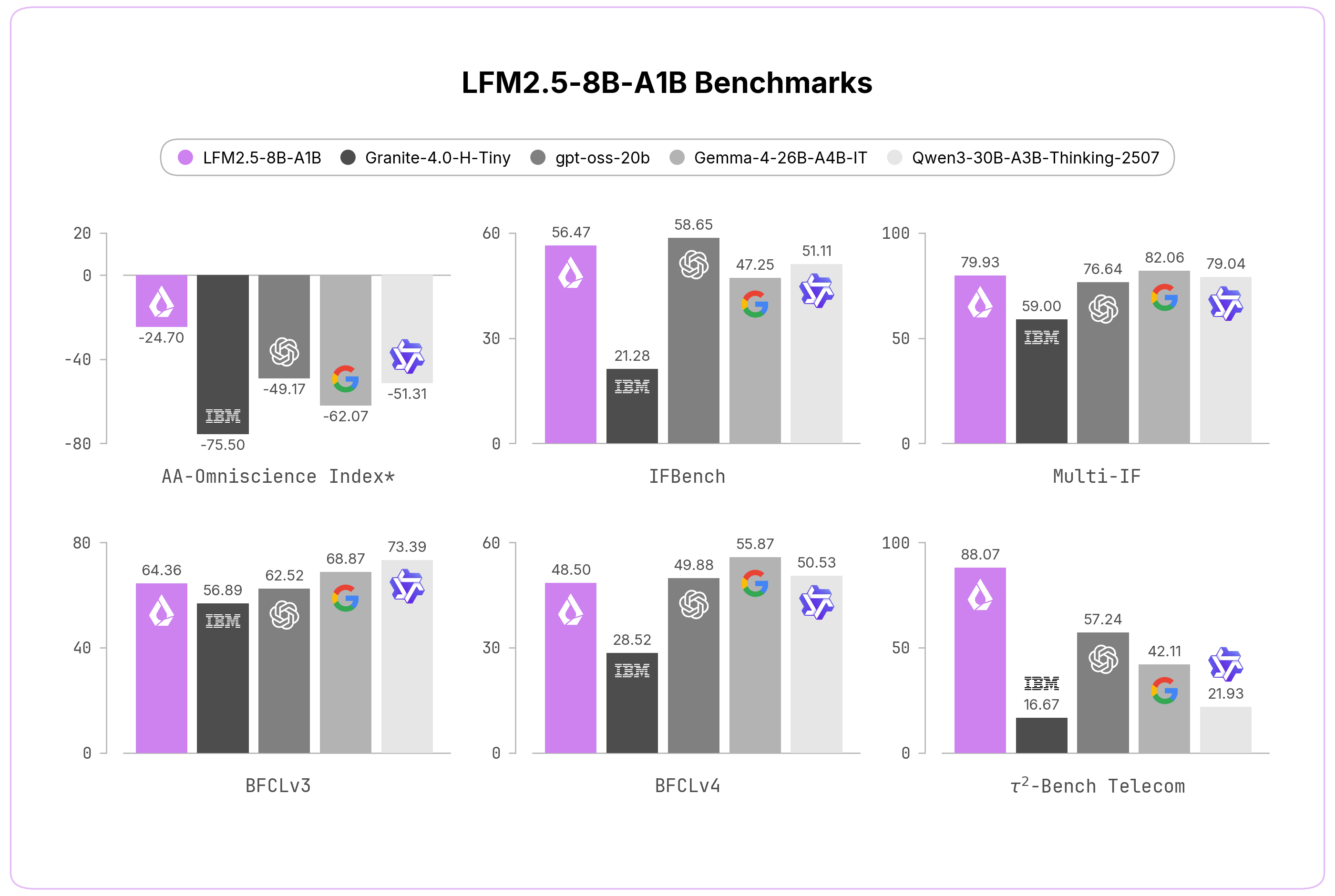
Liquid AI released LFM2.5-8B-A1B, an edge-focused mixture-of-experts model with 8 billion total parameters and 1 billion active, trained on 38 trillion tokens. It builds on the October 2025 LFM2-8B-A1B, expanding the context window from 32K to 128K tokens and doubling the vocabulary to 128,000 for better non-Latin language efficiency. The model uses gated short convolution blocks instead of transformers and is reasoning-only, producing a chain of thought before answering. Liquid AI says it achieves competitive performance on instruction-following and agentic tasks while running on consumer laptops, with support for llama.cpp, MLX, and vLLM. The team added a targeted preference optimization stage to reduce 'doom loops' in long reasoning traces. The base and post-trained models are available on Hugging Face.
Liquid AI, an MIT spinout, develops 'liquid' neural networks that use differential equations for efficient, adaptive computation. Their previous LFM2-8B-A1B was a 12T-token model. The new version uses a mixture-of-experts architecture with grouped-query attention and short convolution blocks, aiming to compete with much larger dense models on device.
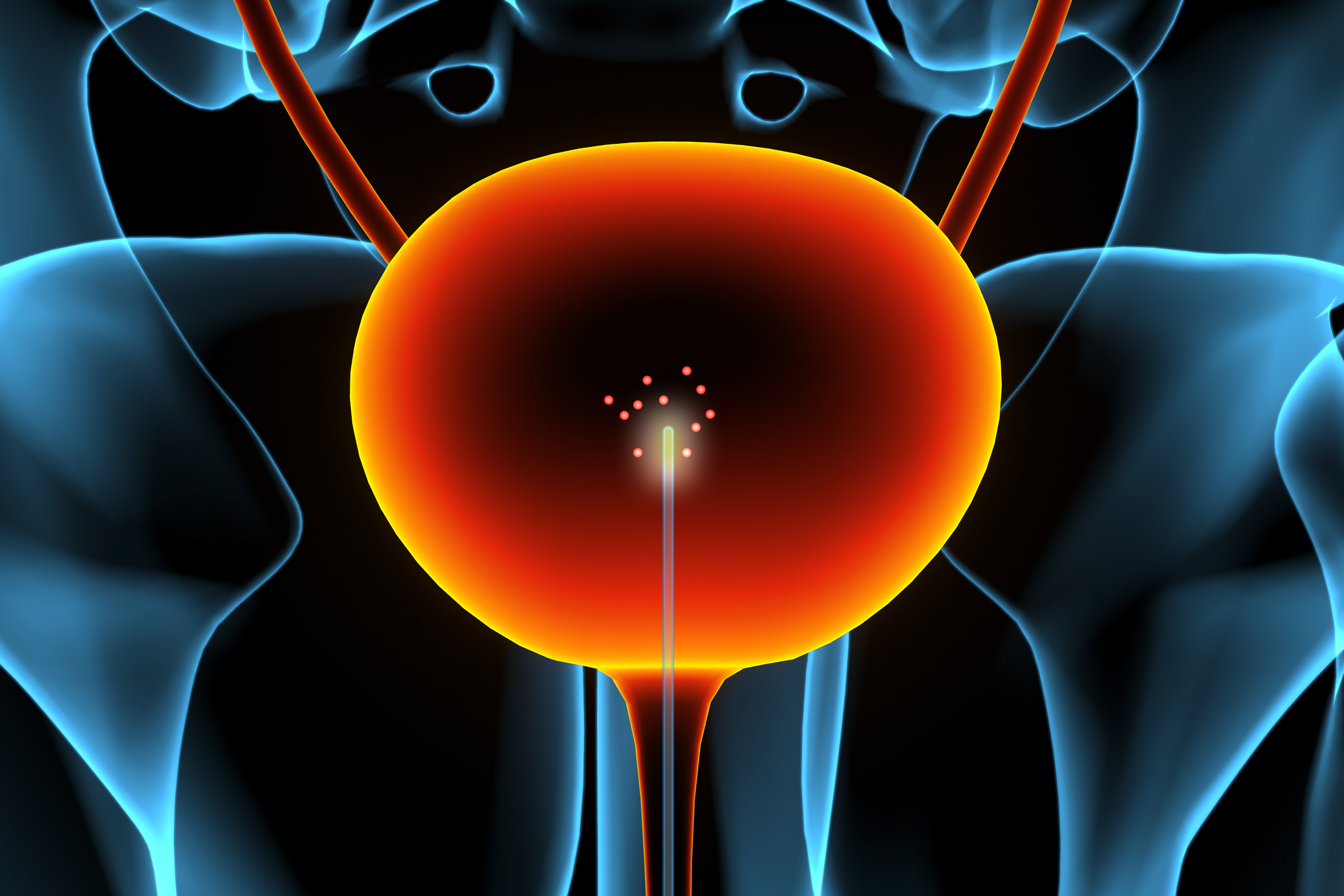
MIT researchers developed a catheter-based sensor that can detect bladder cancer biomarkers at concentrations nearly 50,000 times lower than standard urine tests. The device uses carbon nanotubes coated with synthetic antibodies that fluoresce when they bind to the protein NMP-22, a known bladder cancer indicator. A rotating ball lens inside the catheter scans the bladder lining, creating a chemical image that pinpoints tumor locations. In animal studies, the sensor successfully detected and mapped cancerous cells. Bladder cancer has one of the highest recurrence rates; about half of patients develop new tumors within five years. Current monitoring relies on urine tests that often miss early-stage regrowth because biomarkers are diluted. The team, led by Michael Strano, published the work in Nature Nanotechnology.
Bladder cancer affects about 85,000 Americans annually. After treatment, frequent monitoring is needed because recurrence is common, making it one of the most expensive cancers to manage. The MIT sensor deploys inside the bladder via catheter, detecting NMP-22 at the source before it gets diluted in urine, potentially catching tumors much earlier.
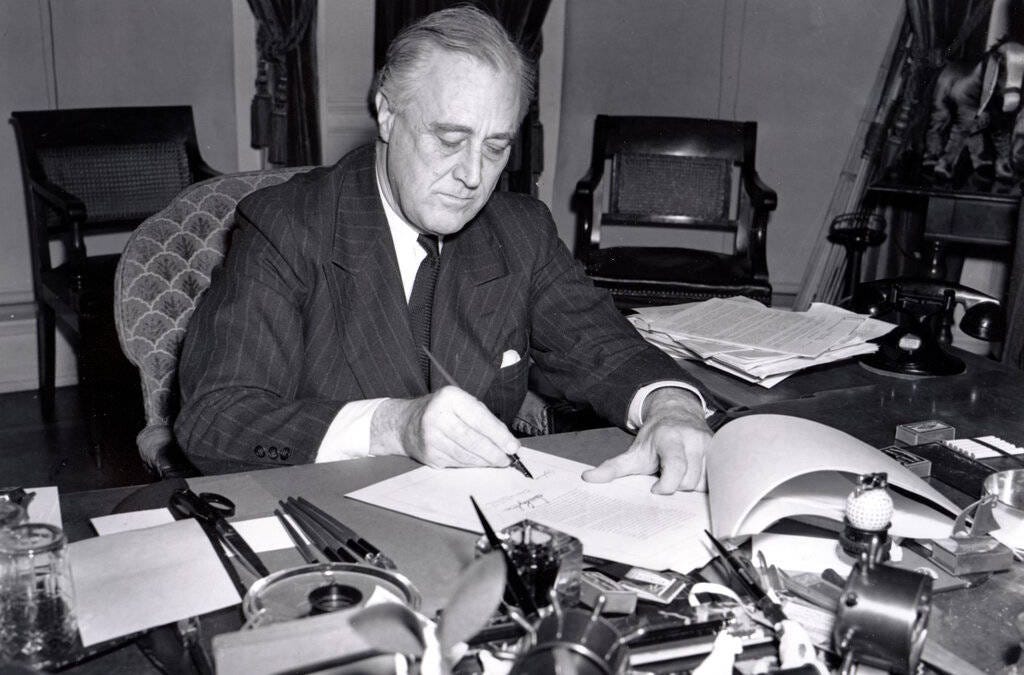
Noah Smith argues that the US needs to revive liberal nationalism, the governing ideology he says Franklin D. Roosevelt forged in the 20th century. He contrasts it with the nativist isolationism of the Trump right and the anti-corporate progressivism gaining ground among Democrats. Smith frames the debate through a clash between a right-wing nationalist who demands loyalty to the American people and a libertarian who sees the internet as the true carrier of American values. Liberal nationalism, Smith contends, balances national solidarity with individual freedom, open markets, and a robust safety net. He acknowledges that making this case requires moving beyond technocratic policy arguments into ideological persuasion, because the current political alternatives are drifting toward extremes that abandon both liberalism and competent governance.
Noah Smith is an economics commentator and former Bloomberg columnist. The essay responds to the second Trump administration's tariff and immigration policies, which Smith sees as ideologically driven rather than evidence-based. He draws on a debate between the pseudonymous 'Roman Helmet Guy' and Balaji Srinivasan to illustrate competing visions of national identity.