A team at MIT has developed a method to speed up federated learning by roughly 81 percent, enabling resource-constrained devices like smartwatches and sensors to train AI models without sending raw data to central servers. The framework, called FTTE (Federated Tiny Training Engine), addresses a critical bottleneck: current approaches assume all devices have enough memory and stable connectivity, which fails for heterogeneous networks of edge devices. FTTE sends only a subset of model parameters to each device, reducing both memory requirements and communication overhead. The technique could expand AI deployment in high-stakes domains with strict privacy requirements, including healthcare and finance, where data must remain on local devices. Lead author Irene Tenison and senior researcher Lalana Kagal will present the work at the IEEE International Joint Conference on Neural Networks.
Federated learning trains AI models across decentralized devices while keeping data local, but practical deployment has been limited by device heterogeneity. The technique has particular relevance for privacy-sensitive applications where regulations or security concerns prohibit data centralization.
Nvidia CEO Jensen Huang and podcaster Dwarkesh Patel clashed over US semiconductor export controls to China in a widely discussed interview. Huang argued for selling more AI chips to China, claiming restrictions hurt American competitiveness and accelerate Chinese self-sufficiency. Patel pushed back, contending that loosening controls would strengthen China's AI capabilities and undermine US national security. The debate centers on a policy distinction often blurred in public discussion: controls on chipmaking equipment (ASML EUV machines) versus controls on AI chips (Nvidia Blackwell). The former has achieved striking success in slowing China's domestic semiconductor manufacturing; the latter remains contested. Huang's arguments contained notable tensions—he simultaneously claimed China would develop alternatives regardless while warning that restrictions would cost Nvidia market share that funds R&D. The exchange illuminates how industrial policy debates often conflate commercial interests with strategic assessments.
US export controls on China comprise two distinct regimes: restrictions on semiconductor manufacturing equipment, which have severely limited China's ability to produce advanced chips domestically, and restrictions on AI chip sales, which prevent Chinese companies from accessing the most powerful training hardware. The equipment controls have proven more effective than initially expected, creating the strategic space for debate about chip sales.
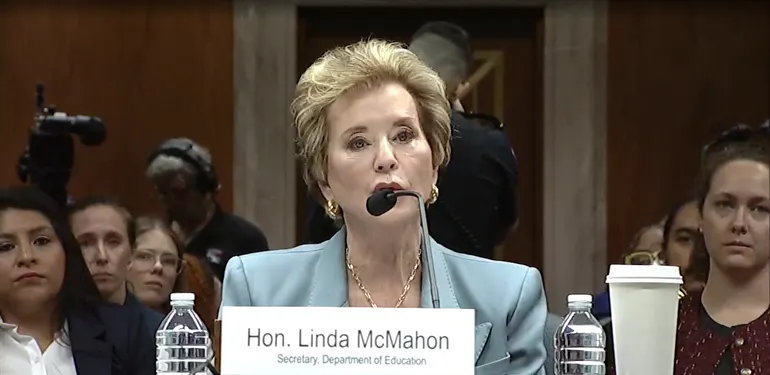
Education Secretary Linda McMahon faced sharp questioning from Senate lawmakers over the Trump administration's proposal to cut the department's discretionary funding by 2.9 percent to $76.5 billion for fiscal 2027. The plan would eliminate all $1.6 billion in federal support for TRIO and Gear Up programs that assist underserved students with college preparation and success. McMahon has already transferred ten departmental functions to five other agencies, including moving most Higher Education Act grant programs to the Labor Department. Democratic senators challenged these arrangements, citing the Labor Department's own inspector general findings about existing grant management struggles. McMahon defended the restructuring as creating smoother pathways from K-12 through higher education into the workforce, while acknowledging early "hiccups." The Office for Civil Rights would face a 35 percent funding reduction under the proposal.
TRIO programs date to 1965 and serve approximately 800,000 students annually through multiple initiatives including Upward Bound, Talent Search, and Student Support Services. Gear Up, established in 1998, provides early college awareness and preparation for low-income students. Congress rejected a similar elimination request in the prior budget cycle.
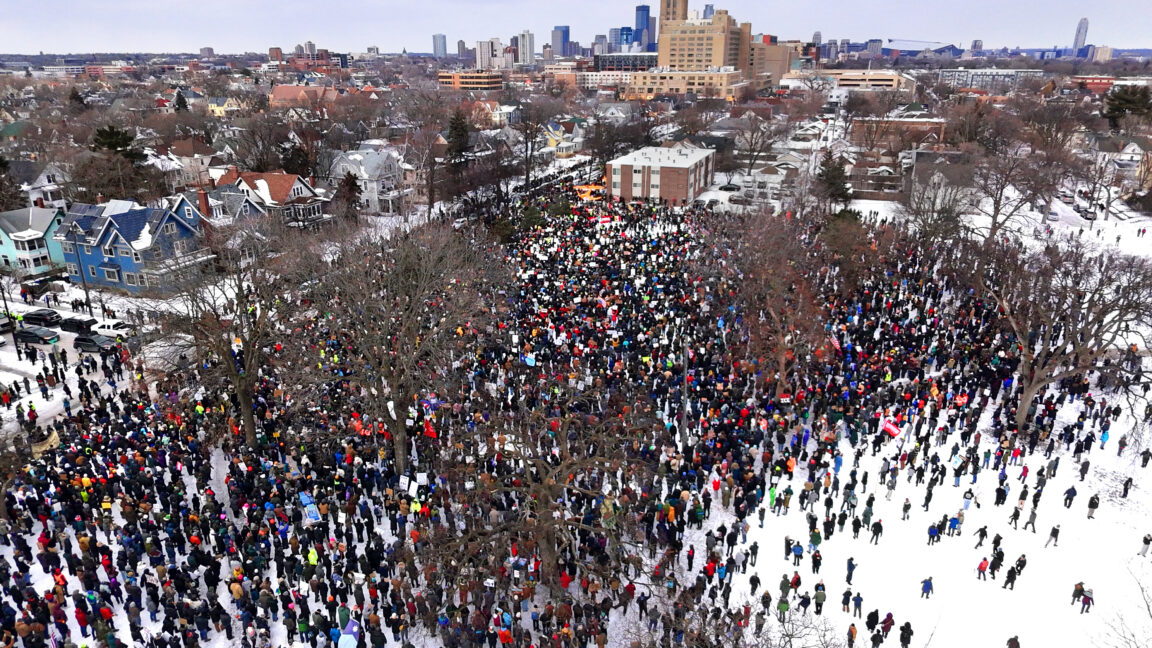
A Minneapolis drone pilot successfully challenged a January FAA order that created roving no-fly zones around unmarked, moving Department of Homeland Security vehicles. Rob Levine, a commercial photographer and certified remote pilot, stopped flying after the notice warned that drones near federal vehicles could be shot down or seized, with civil and criminal penalties possible. The restriction proved impossible to comply with: drone pilots using standard airspace apps had no way to know when unmarked vehicles entered their flight area. After Levine and industry groups including the Drone Service Providers Alliance raised concerns about the "impossible compliance problem," the FAA revised the policy in March to apply only to stationary federal facilities. The episode illustrates how rapidly expanded security authorities can create practical impossibilities for regulated parties, and how individual pushback can prompt administrative correction.
The January notice, NOTAM FDC 6/4375, expanded a longstanding practice of restricting drones near fixed federal facilities to cover mobile DHS assets. The revision came after two killings by federal agents in Minneapolis heightened scrutiny of immigration enforcement activities and documentation efforts by journalists.
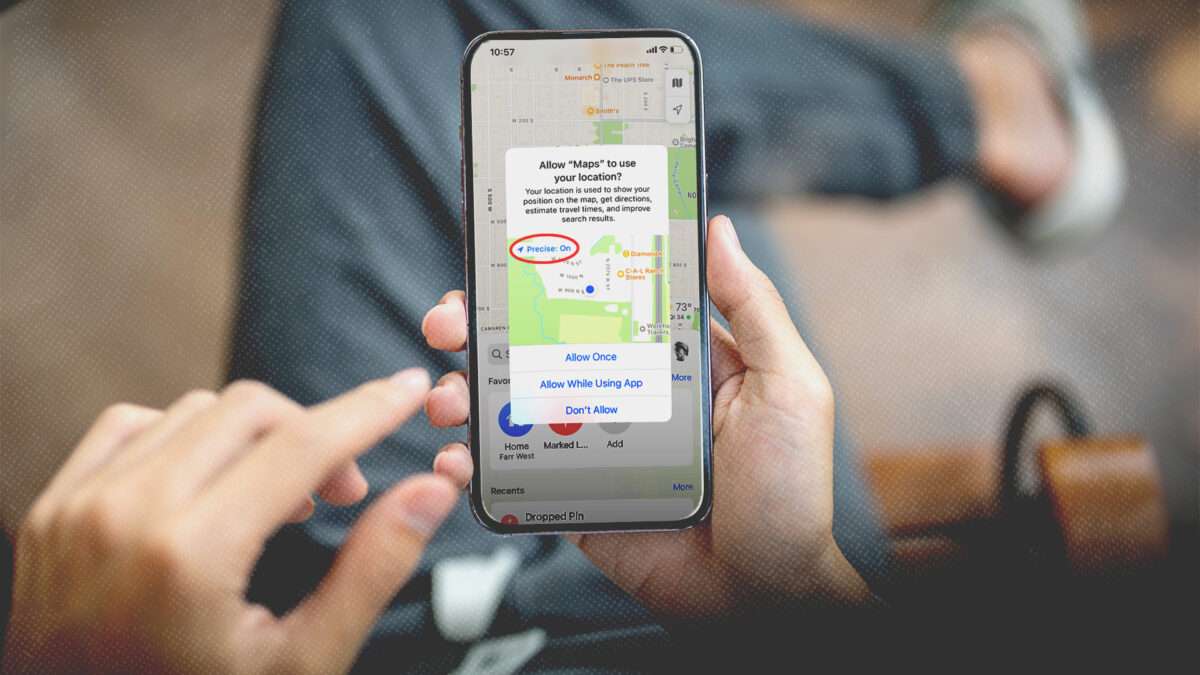
The Supreme Court heard oral arguments in a case challenging geofence warrants, which allow police to identify all devices present in a defined geographic area during a specific time period. The case involves Okello Chatrie, convicted of bank robbery after police obtained a warrant for Google location data showing 19 devices near the crime scene. Chatrie's lawyers argue such warrants violate the Fourth Amendment because they lack particularity—sweeping in hundreds of millions of innocent people. The Trump administration defended the practice by invoking two contested doctrines: the "reasonable expectation of privacy" test from 1967, and the third-party doctrine holding that voluntarily shared information receives no constitutional protection. Several justices appeared alarmed by the government's position that no warrant would be required for geofence searches. The case tests whether decades-old doctrinal frameworks can accommodate surveillance capabilities that were technologically impossible when those precedents were established.
Geofence warrants have become increasingly common in criminal investigations, with Google reporting thousands of requests annually before it stopped storing the relevant location history data. The third-party doctrine, established in cases involving bank and telephone records, has faced sustained criticism from privacy advocates and some justices as inconsistent with contemporary digital surveillance.
Taylor Swift's rights management company has filed trademark applications for audio clips of her speaking, including the phrases "Hey, it's Taylor Swift" and "Hey, it's Taylor," as a potential legal tool against AI-generated impersonations. The filings follow years of AI-related controversies for Swift, including nonconsensual sexualized deepfakes and cloned voices in unauthorized music tracks. Copyright law protects songs but not vocal likenesses, creating a gap that artists have struggled to fill. Trademark law offers a different avenue: protection for distinctive sounds and phrases used in commerce, potentially allowing challenges to "confusingly similar" imitations rather than exact copies. Legal experts express skepticism about whether the specific clips demonstrate trademark use rather than merely being conversational elements within longer promotional messages. The strategy follows similar moves by Matthew McConaughey, who trademarked video clips including his signature "Alright, alright, alright."
The legal landscape for AI-generated impersonations remains unsettled. Right of publicity laws vary by state and primarily protect against commercial misappropriation of likeness. Federal trademark law, if successfully invoked, would offer nationwide protection and potential access to statutory damages.
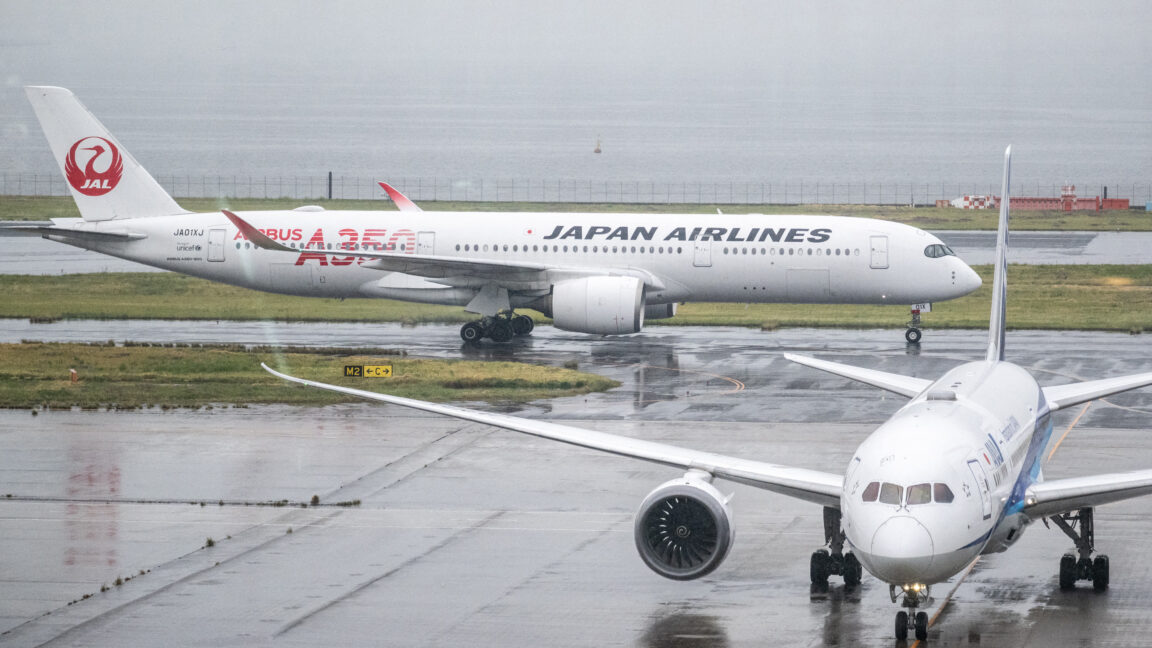
Japan Airlines will begin testing humanoid robots for baggage handling and aircraft cleaning at Tokyo's Haneda Airport in May 2026, running trials through 2028. The experiment addresses severe labor shortages that have grounded flights at Japanese airports, with Narita Airport unable to respond to over 30 percent of requested flights weekly in late 2023 due to insufficient ground crew. The airline is testing whether robots powered by recent AI models can adapt to human work environments without dedicated workstations or significant facility modifications. Partner GMO AI & Robotics Corporation will deploy Unitree's G1 robot and UBTECH's Walker E, with baseline models starting around $13,500. Initial demonstrations show limitations: staged footage reveals robots making vague gestures while humans operate conveyor systems. The pilot will first identify safe operational zones before expanding tasks, reflecting both the technical challenges of unstructured environments and safety concerns at an airport handling a flight every two minutes.
Japan's ground crew workforce declined from 26,300 to 23,700 between March 2019 and September 2023, exacerbating post-pandemic travel recovery challenges. Humanoid robots have previously piloted in automotive factories and warehouses, but airports present more unpredictable environments than assembly lines.
Researchers at the University of Alberta and MacEwan University have demonstrated that infrasound—acoustic frequencies below 20 hertz, below human hearing range—triggers measurable stress responses and subjective unease. In a study published in Frontiers in Behavioral Neuroscience, 36 volunteers listened to music with and without 18 hertz infrasound while providing saliva samples for cortisol measurement. Participants could not consciously detect the infrasound, yet showed significantly elevated stress hormones and reported more negative experiences when exposed. The findings suggest a physiological basis for sensations often reported in "haunted" locations, where infrasound sources include industrial machinery, wind turbines, and ventilation systems. Natural infrasound sources include volcanic eruptions, landslides, and stampeding animals, leading researchers to speculate that humans evolved an aversive response as a disaster warning mechanism. The interdisciplinary team combined psychological self-reporting with biological stress markers to bridge methodological gaps in prior research.
Infrasound has been investigated as an explanation for paranormal experiences since the 1990s, including a famous 2003 study at a allegedly haunted laboratory in Coventry, England. The current research strengthens the empirical foundation by adding physiological measurement to subjective reporting.
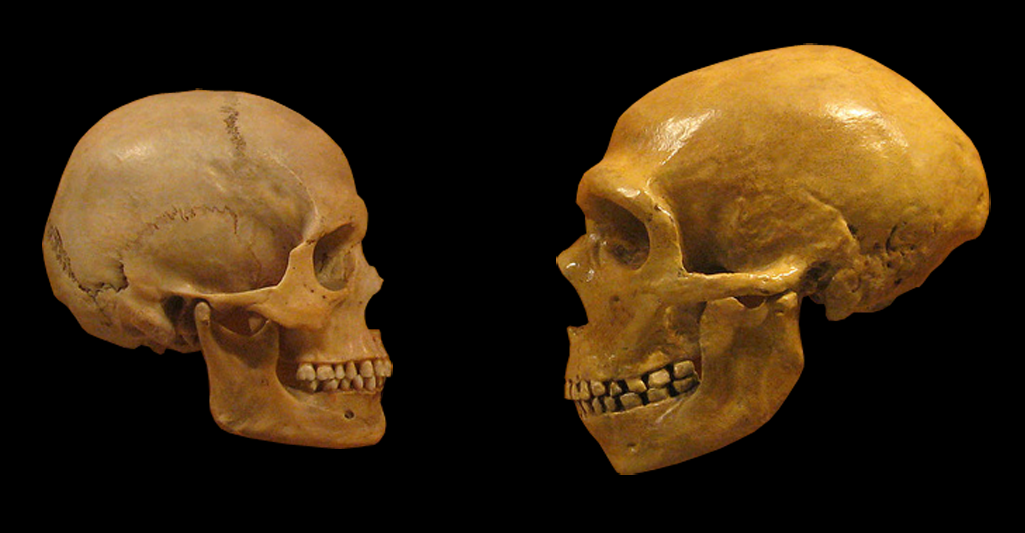
A new analysis comparing Neanderthal endocasts with MRI scans of 400 modern human brains suggests that differences in brain size and structure between Neanderthals and Homo sapiens fall within the range of variation observed within our species today. Indiana University cognitive scientist P. Thomas Schoenemann and colleagues re-examined a 2018 study that claimed Neanderthals had proportionally smaller cerebellums, finding that the reported differences were smaller than variations between some modern populations. The researchers compared 13 brain regions across 200 US residents of European descent and 200 ethnic Han Chinese participants from the Human Connectome Project. For nine of thirteen regions, modern human variation exceeded the Neanderthal-Homo sapiens differences. The findings challenge assumptions that cognitive superiority drove our species' survival while Neanderthals went extinct around 40,000 years ago. Brain volume has proven a poor predictor of cognitive capability in modern humans, suggesting Neanderthals may have been comparably intelligent despite distinct skull shapes.
Endocasts are molds of the interior skull surface that preserve brain shape. The 2018 study that prompted this reanalysis used only four Neanderthal and four early Homo sapiens specimens, limiting statistical confidence. Some paleoanthropologists have argued Neanderthals and Denisovans should be classified as Homo sapiens subspecies rather than distinct species.
The South by Southwest festival deployed BrandShield, an AI-powered "digital risk protection" service, to automatically remove Instagram posts mentioning SXSW without using its logos or trademarks in ways that would constitute actual infringement. Vocal Texas, a nonprofit addressing homelessness and HIV, had a post removed that criticized the festival's impact on unhoused residents during downtown encampment sweeps. The post mentioned SXSW by name but contained no logos or commercial appropriation. Trademark law explicitly permits nominative use—referring to a company by name to discuss it—but automated enforcement systems lack this contextual judgment. The Electronic Frontier Foundation, which previously intervened when SXSW sent cease-and-desist letters to protest organizers in 2024, noted that automated takedowns create asymmetric incentives: targets rarely challenge removals, leaving erroneous censorship uncorrected. The incident illustrates how AI-powered content moderation can amplify overreach beyond what even rights holders would pursue through direct legal action.
BrandShield markets AI-driven trademark monitoring and enforcement across social media platforms. SXSW has faced growing criticism for corporate consolidation and accessibility concerns since its 1987 founding as a relatively modest local festival. The 2024 cease-and-desist involved the Austin for Palestine coalition's protest imagery incorporating SXSW's arrow logo.