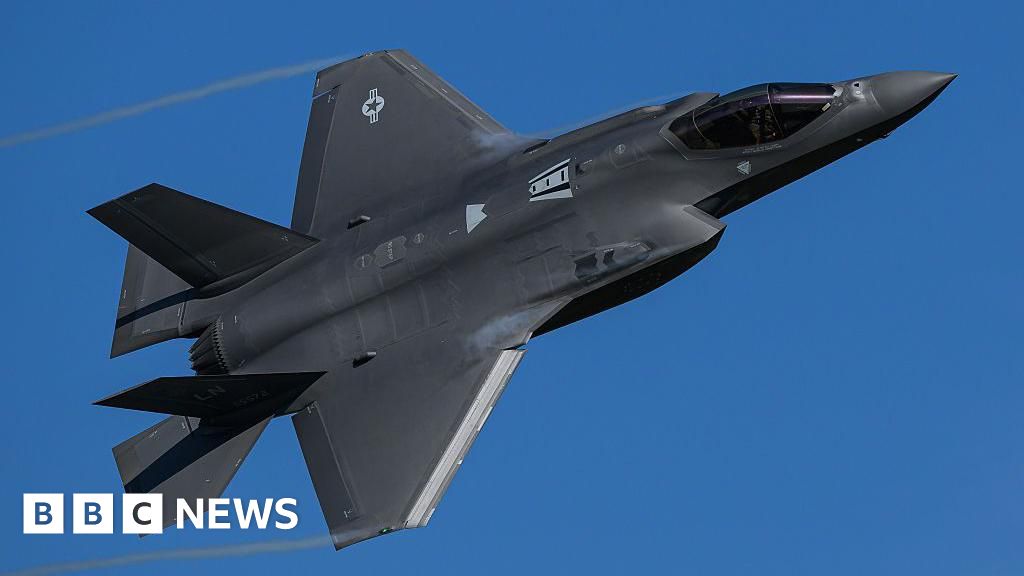
The US military struck Iranian missile sites and boats near Bandar Abbas, a southern port city on the Strait of Hormuz, on Monday, calling the action self-defense. The strikes come as senior Iranian negotiators are in Qatar for talks aimed at ending the war. US Central Command said the operation was designed to protect American troops during the ongoing ceasefire. Secretary of State Marco Rubio, speaking from India, said a deal remains possible but warned that the strait must stay open. Iran's foreign ministry spokesman earlier said progress had been made but a deal is not imminent. The memorandum of understanding under discussion reportedly includes a 60-day ceasefire extension, reopening the Strait of Hormuz, and further negotiations over Iran's nuclear program.
The US and Iran have observed a ceasefire since April 8, but clashes have continued. Earlier in May, a naval confrontation in the Strait of Hormuz led Trump to insist the ceasefire still held. The talks aim to address Iran's nuclear ambitions and sanctions relief.
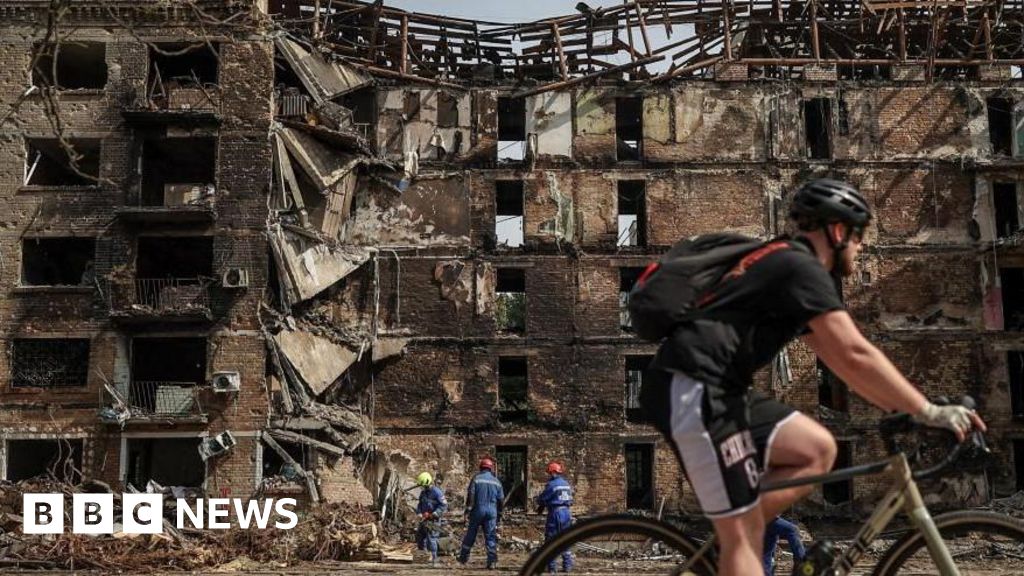
Russia's foreign ministry warned Monday of a new wave of "systematic strikes" on Kyiv, targeting decision-making centers and drone factories, and urged foreign diplomats and nationals to leave the city. The threat follows a massive aerial assault on Saturday night that killed four and injured about 100, using ballistic missiles, cruise missiles, and hundreds of drones, including a hypersonic Oreshnik missile. Moscow claims the barrage was retaliation for a Ukrainian strike on a dormitory in Russian-occupied Starobilsk that it says killed 21 people; Ukraine says it hit a military drone unit, not civilians. US Secretary of State Marco Rubio, after a call with Russian Foreign Minister Sergei Lavrov, called the escalation a reminder of why the war must end.
A brief ceasefire around Russia's Victory Day parade expired earlier in May. Since then, Russian strikes on Kyiv killed 24 people in a residential building, and Ukraine launched a large drone attack on the Moscow region.
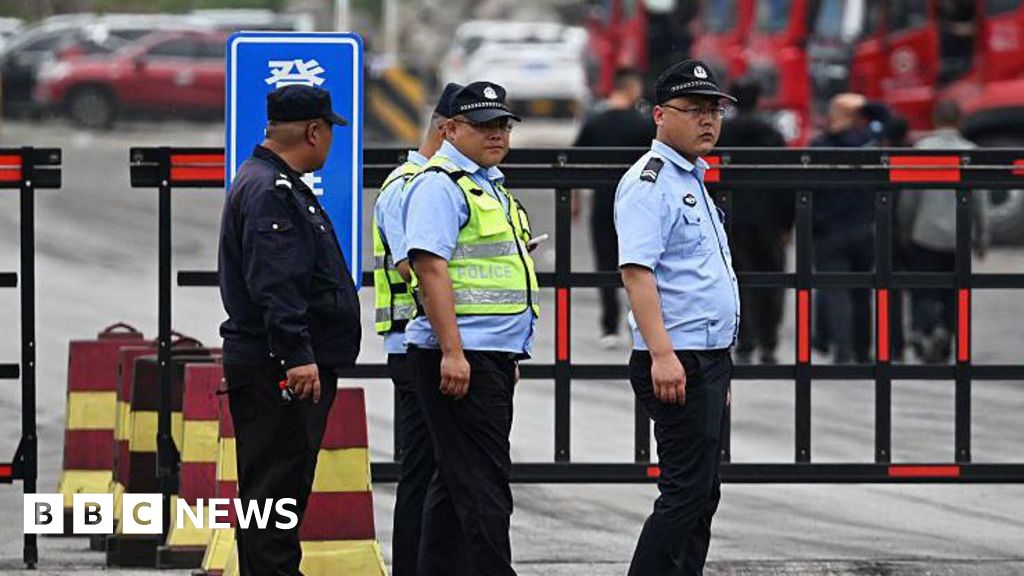
An explosion at the Liushenyu coal mine in Shanxi province killed at least 82 people and injured more than 120 on Friday, making it China's worst mining disaster in over 15 years. Authorities say the privately owned mine, operated by Tongzhou Group, committed "serious illegal violations." State media reported that the number of workers underground was double the official count, and some lacked mandatory tracking devices. Blueprints provided to regulators did not match actual conditions, hampering rescue efforts. On China's tightly controlled internet, public anger has focused on the company, with users questioning how unregistered workers could be present. The government has pledged a rigorous investigation and placed Tongzhou Group personnel under "control measures."
In the 2000s, deadly coal mine accidents were common in China, but safety improved after a government crackdown that closed illegal mines and strengthened enforcement. The Liushenyu mine had been flagged for severe hazards in 2024 and received two penalties in 2025.
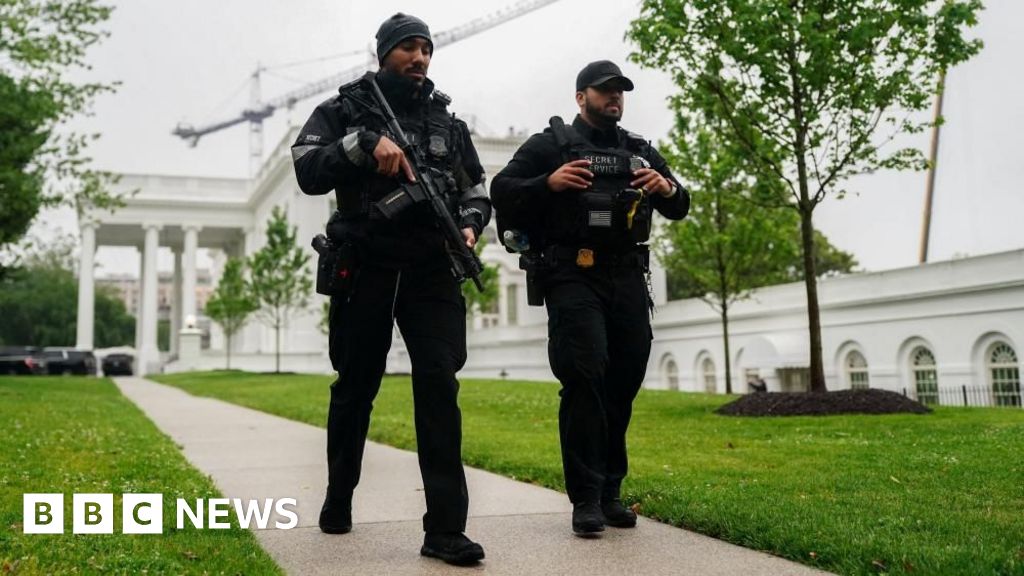
Nasire Best, the man who fired shots outside the White House on Saturday before being killed by Secret Service, had obstructed a White House entry lane in June 2025 and told agents he was Jesus Christ, according to court documents. He was sent for a mental evaluation after that incident. A month later, he tried again to access the White House and was arrested for unlawful entry. He was released but failed to appear for a status hearing in August 2025, leading to a bench warrant. On Saturday, he opened fire at a checkpoint near the Eisenhower Executive Office Building, wounding a bystander before officers returned fire. President Trump was inside but unharmed.
The shooting occurred a month after a gunman opened fire at the White House Correspondents' Dinner, forcing Trump's evacuation. Saturday's attack renewed questions about security lapses and mental health follow-up.
Senator Andy Kim (D-N.J.) was pepper-sprayed by Immigration and Customs Enforcement officers Monday while protesting outside the Delaney Hall detention facility in Newark, New Jersey. Videos circulating online show volunteers pouring water into Kim's eyes as he held an ice pack. Kim was addressing ICE personnel directly when officers deployed the spray. The protest was part of broader demonstrations against the Trump administration's immigration enforcement policies. Kim's office has not yet issued a statement.
Kim, a first-term senator, has been an outspoken critic of ICE detention practices. The Delaney Hall facility has faced lawsuits over conditions.
A recent update to Motorola's pre-installed Smart Feed app causes some phones, including the $1,900 Razr Fold, to intercept taps on the Amazon app icon from the app drawer and redirect users through a browser to inject an affiliate code. The redirect passes through a URL tied to a fashion influencer, but the affiliate code used does not match any publicly shared by that influencer. The behavior was traced via ADB logs and network requests to "devicenative.com," an ad-placement service that lists Motorola as a partner. Disabling the Smart Feed app stops the hijack immediately. Motorola has not yet commented.
Affiliate link injection has drawn scrutiny after the Honey browser extension was found to override creator codes. This incident raises questions about whether Motorola authorized the behavior or if a third-party ad partner acted independently.
Ente's engineering blog explains the mathematics behind Shamir's Secret Sharing, a 1979 scheme by Adi Shamir (the S in RSA) that splits a secret into pieces so that any k of n shares can reconstruct it, but fewer than k reveal nothing. The post builds intuition using simple geometry: two points determine a line, so hiding a secret as the y-intercept of a random line lets any two shares recover it, while one share is compatible with every possible secret. For higher thresholds, the method uses polynomials of degree k-1. Real implementations use finite-field arithmetic, but the core idea remains the same. Ente uses the scheme in its Legacy Kit for secure account recovery, layering it so that cards can be revoked and a lost card is not a permanent liability.
Shamir's Secret Sharing is a foundational cryptographic primitive used in distributed key management, multi-party computation, and secure backup systems. Unlike simple password splitting, it provides information-theoretic security: fewer than the threshold number of shares leak zero information.
Nolan Lawson argues that AI coding tools need not produce low-quality slop at high speed. He describes a workflow where multiple LLM agents (Claude, Codex, Cursor Bugbot) review a pull request independently, then he synthesizes their findings, filters false positives, and fixes the most critical bugs. This process often uncovers pre-existing issues, leading to side-quests that improve overall codebase health rather than inflating velocity. Lawson finds this slower, more deliberate style satisfying and educational, teaching him about failure modes and edge cases. He invites developers skeptical of AI or those churning out massive PRs to try using agents as rigorous reviewers instead of slop cannons.
The post responds to a common critique that AI-assisted coding encourages merging unvetted, buggy code. Lawson's approach borrows from the insight that using multiple models reduces hallucinations and false positives.
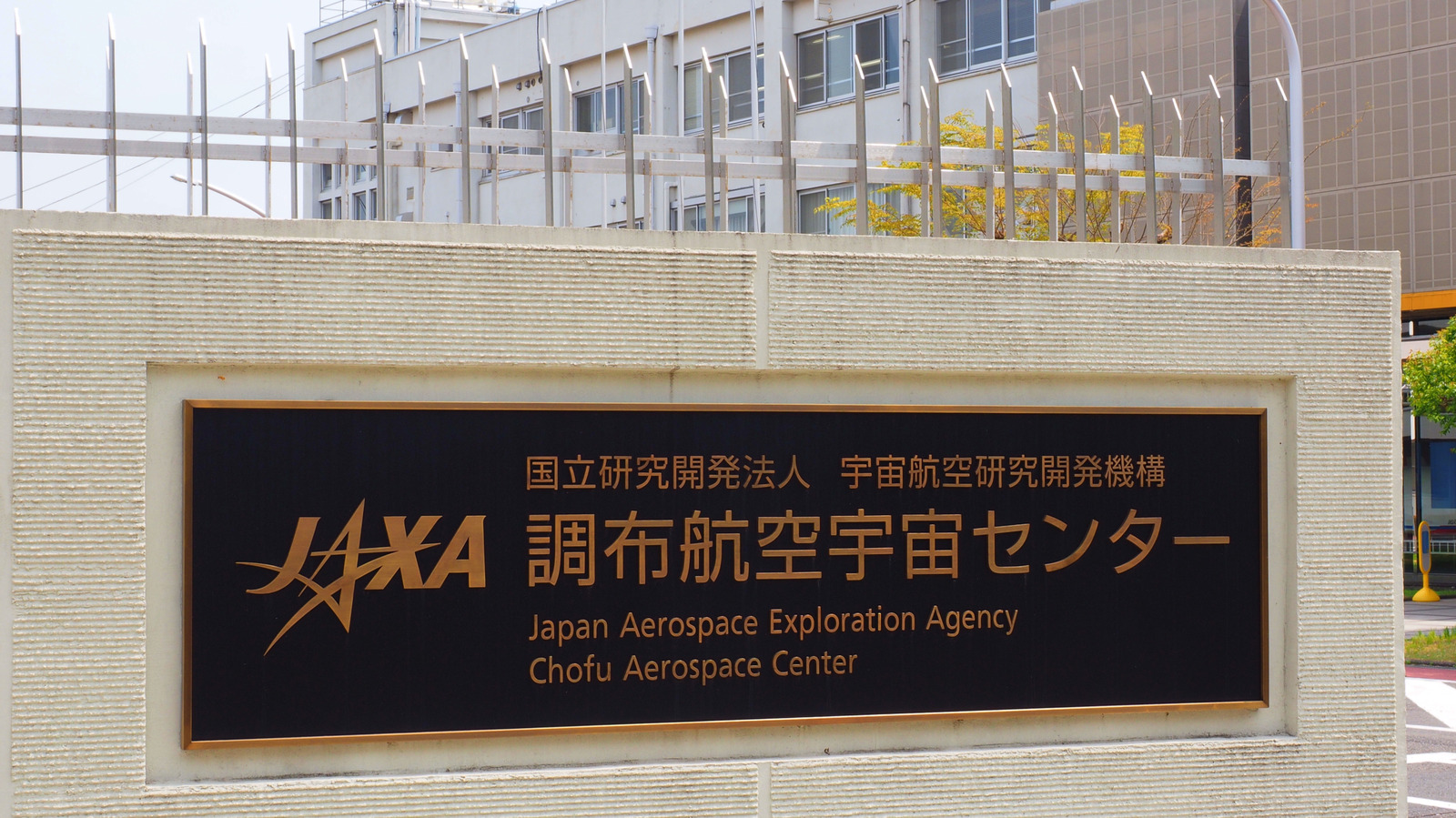
Japan's Aerospace Exploration Agency (JAXA), with Waseda University, the University of Tokyo, and Keio University, completed a ground combustion test of a ramjet engine for a Mach-5 hypersonic aircraft. The test at the Kakuda Space Center simulated flight at five times the speed of sound at an altitude of 25 kilometers, where air is one-hundredth as dense as at sea level. Engineers validated heat-shielding and control surfaces under temperatures exceeding 1,000°C. Unlike turbofans, ramjets have no moving parts and rely on forward speed to compress air. JAXA plans a suborbital flight test next, with a goal of commercial hypersonic passenger service by the 2040s, potentially cutting Tokyo–Los Angeles flights to two hours.
Ramjets cannot operate from a standstill; they require a booster to reach supersonic speeds. The US Air Force has also struggled with thermal management in its own hypersonic programs.
Chronic student absenteeism has surged since the pandemic, but schools treat it as a discipline problem rather than a signal that students and families find little value in showing up. Frederick M. Hess argues in National Review that empty desks reflect a failure of the education system to convince students that school is worth their time. He contends that instead of punitive measures, policymakers should ask why students are voting with their feet and consider reforms that make school more engaging and relevant.
Absenteeism rates doubled in many districts after COVID-19 and have not returned to pre-pandemic levels. Some states have responded with truancy crackdowns, but Hess suggests that approach misses the underlying discontent.