President Trump has spent nine weeks extending deadlines for Iran to open the Strait of Hormuz, revealing a negotiating position weaker than his public threats suggest. The pattern began with a 48-hour ultimatum in early April, which stretched through multiple extensions before a Pakistani-brokered two-week ceasefire took effect. That ceasefire has now lasted more than three weeks with no substantive progress. The Iranians have offered no concessions, yet Trump keeps claiming they are desperate to deal. The core problem is strategic: by repeatedly demonstrating that Hormuz closure causes him political pain, Trump has taught Iran exactly which lever to pull. The SERE school lesson he never learned is that showing your captor what hurts only invites more pressure. The war that began with muddled purpose has now become muddled in execution, with American forces still in theater, the strait still restricted, and no path to any of the administration's stated end states.
Operation Epic Fury began in late February 2026 with strikes on Iranian nuclear and military facilities. The Strait of Hormuz, through which roughly 20% of global oil shipments pass, has been effectively closed since early March, causing energy price spikes worldwide.
The argument that degrading Iran weakens China rests on three flawed assumptions. First, Iran is not Beijing's most important regional partner; the Arab Gulf states are. Two-thirds of China's exports to the region, Europe, and Africa flow through Emirati ports. Saudi Arabia and the UAE are its top trading partners, with the UAE hosting over 15,000 Chinese companies. Second, China is not energy-dependent on Iran; Iranian oil comprised only 11% of Chinese imports in 2024, versus 14% from Saudi Arabia. Third, the demonstration of American combat power is unlikely to deter Beijing on Taiwan, given Trump's inconsistent China policy elsewhere. Beijing has cultivated Iran primarily for diplomatic leverage and proxy management, not out of strategic commitment. The $400 billion 25-year partnership remains largely unfulfilled, and China's arms transfers to Iran are modest and deniable. The real risk is that prolonged conflict disrupts the Gulf trade relationships that actually matter to Beijing.
The 2021 China-Iran comprehensive strategic partnership was widely reported as a major shift, but implementation has lagged. Beijing brokered the 2023 Iran-Saudi rapprochement, demonstrating its preference for stable Gulf relations over deep alignment with Tehran.
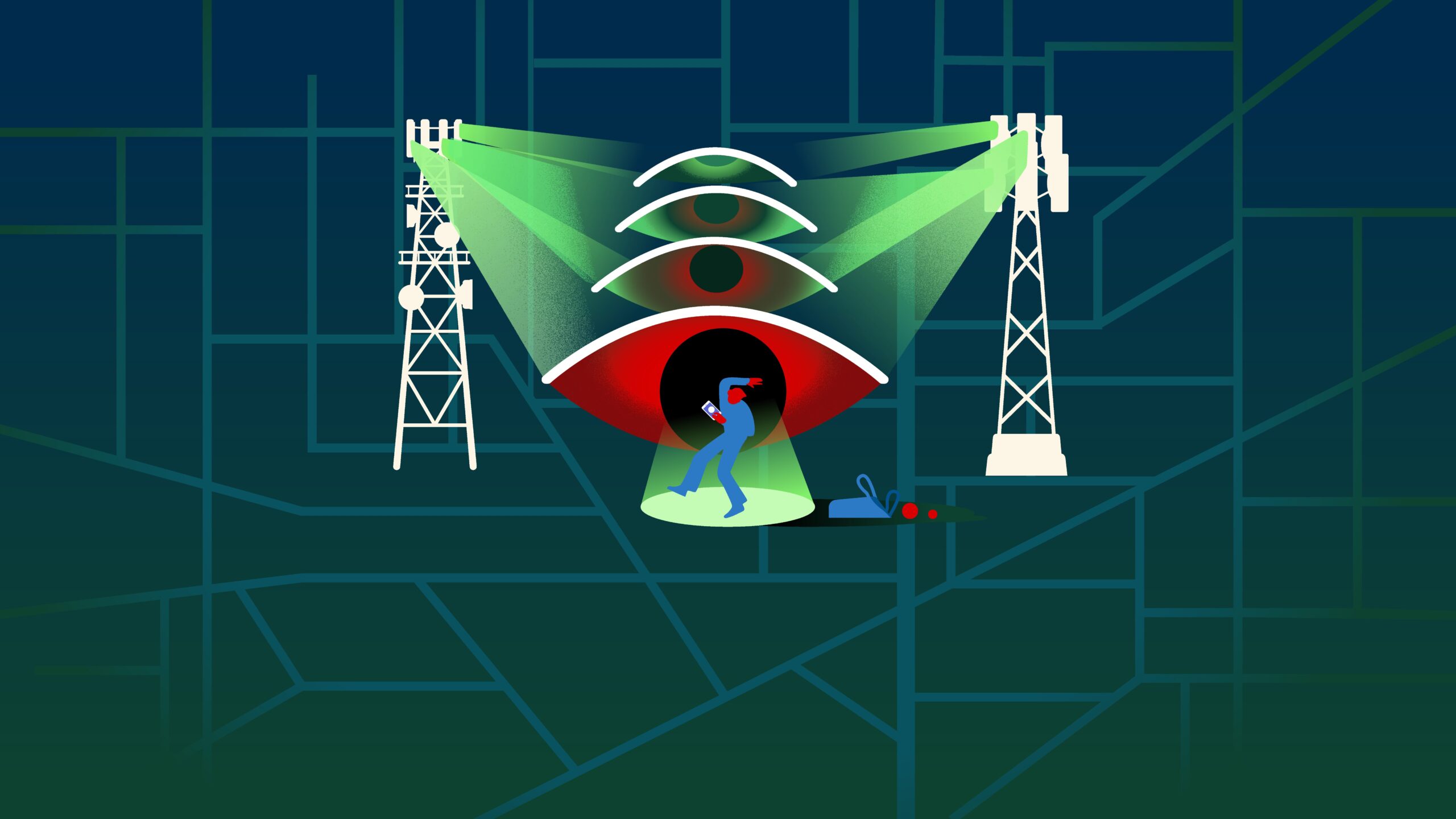
Researchers at Citizen Lab have identified two distinct commercial surveillance vendors conducting long-term espionage through global telecommunications infrastructure. The investigation began with unusual events in mobile signaling firewall logs in late 2024 and expanded to reveal campaigns exploiting 3G, 4G, and SMS protocols to track high-value targets. One operation used malicious SMS messages containing hidden SIM card commands to extract location data, effectively converting devices into covert tracking beacons. Both actors employed customized tooling to spoof operator identities, manipulate signaling protocols, and route traffic through specific interconnect paths to evade detection. The attacks leveraged infrastructure associated with operators across seventeen countries including the UK, Israel, China, Thailand, and multiple African nations. Weak screening of intercarrier traffic allowed surveillance messages to pass through trusted operator pathways. The findings highlight systemic vulnerabilities in the international roaming system, where infrastructure designed for seamless connectivity enables covert tracking at scale.
Commercial surveillance vendors (CSVs) are private companies selling espionage capabilities to governments. Previous investigations by Citizen Lab and others have exposed how these actors exploit SS7 and other legacy telecom protocols to track targets abroad.
Activist investors have launched an alternative filing platform after the SEC restricted access to its EDGAR system. In January, the commission raised the threshold for using EDGAR to send exempt solicitations from any shareholder level to $5 million in holdings, effectively excluding small investors and advocacy groups. The new Proxy Open Exchange (POE) launched last week and already contains 63 filings, compared to 39 on EDGAR for all of 2026. The platform mimics EDGAR's structure and uses the same central index keys for identification, but with a more user-friendly interface. As You Sow, the shareholder advocacy group behind POE, reviews submissions only for basic errors and does not filter content, making it open to all viewpoints including conservative challenges to DEI programs. The initiative represents a direct response to what critics view as an attempt to silence inconvenient investor voices, though major proxy advisors like ISS have indicated they will not consider non-EDGAR filings.
Exempt solicitations allow shareholders to communicate their positions on corporate matters without full proxy statement requirements. EDGAR, the Electronic Data Gathering, Analysis, and Retrieval system, has been the primary platform for these filings since 1996.
Derrick Downey Jr., a wildlife creator with over a million followers documenting his interactions with neighborhood squirrels, has built the year's most successful paid iPhone app through AI-assisted development. DualShot Recorder, which captures simultaneous horizontal and vertical video from the full camera sensor without resolution loss, reached number one on the App Store's paid charts within twelve hours of release. Downey, who has no software development background, spent three months working with Claude to build the app after failed attempts with ChatGPT. The project emerged from his own need: he wanted to shoot YouTube series content in both formats without the burden of dual-camera rigs or destructive cropping. Apple's camera API allows third-party access to the full sensor readout, which Downey leveraged to save separate aspect ratio crops from a single recording. The result demonstrates how recent AI coding tools have lowered the barrier from idea to functional product for non-technical creators.
Downey's regular squirrel cast includes Maxine, Richard, and Hoodrat Raymond. His wildlife content has drawn millions of followers across Instagram and TikTok for its blend of genuine animal behavior and structured narrative.
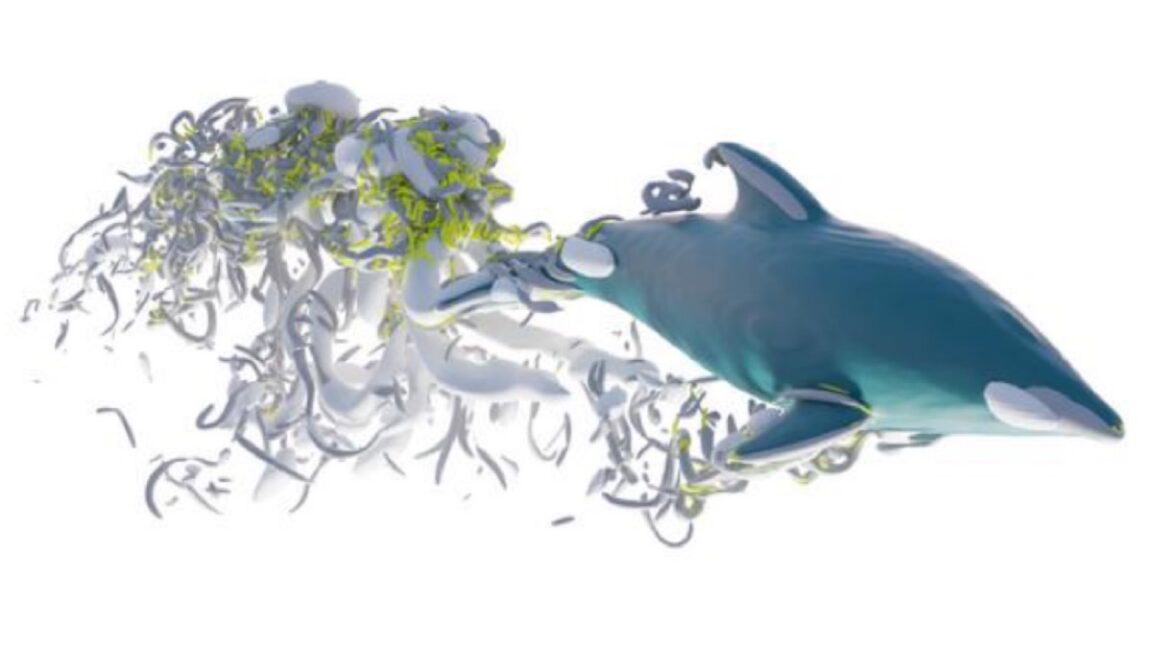
Japanese researchers have identified the hydrodynamic mechanism behind dolphin speed using supercomputer simulations of tail-generated vortices. The study, published in Physical Review Fluids, reveals that dolphins produce large vortex rings with each tail oscillation that generate thrust, while smaller subsequent vortices contribute little to propulsion. This hierarchical turbulence structure explains how dolphins achieve speeds exceeding 20 miles per hour with efficient energy use. The findings have direct engineering applications for underwater robot design. The same research roundup covers additional discoveries: archaeologists used pollen trapped in ship waterproofing layers to trace repair locations across the Adriatic for a Roman Republic vessel; and physicists analyzed the buckling patterns of crushed soda cans to model structural failure modes relevant to engineering safety margins.
Dolphin swimming mechanics have been studied for decades, but the precise relationship between tail kinematics and thrust generation remained unclear. The Osaka University team used high-resolution computational fluid dynamics to resolve vortex structures at multiple scales.
A study of over 3,700 dream reports from 207 participants has established quantitative links between waking cognitive habits and dream content. Researchers at IMT School for Advanced Studies Lucca found that individuals with higher mind-wandering tendencies during waking hours experience significantly more bizarre dreams, characterized by frequent narrative setting shifts. The team used natural language processing to analyze semantic structures in dream reports collected between 2020 and 2024, correlating them with psychological assessments and daily experience logs. A separate cohort of 80 participants tracked dreams during the April-May 2020 lockdown period, revealing that external emotionally salient events manifest in dream content with measurable time-lagged effects. Dreams during lockdown showed increased references to physical and metaphorical constraints, with heightened emotional intensity that normalized over subsequent years. The findings support theories that dreaming and mind-wandering share neural and cognitive foundations, rather than representing distinct mental processes.
Oneirology, the scientific study of dreams, has historically relied on small samples and subjective interpretation. This study's use of NLP-based quantitative analysis represents a methodological shift toward scalable, reproducible dream research.
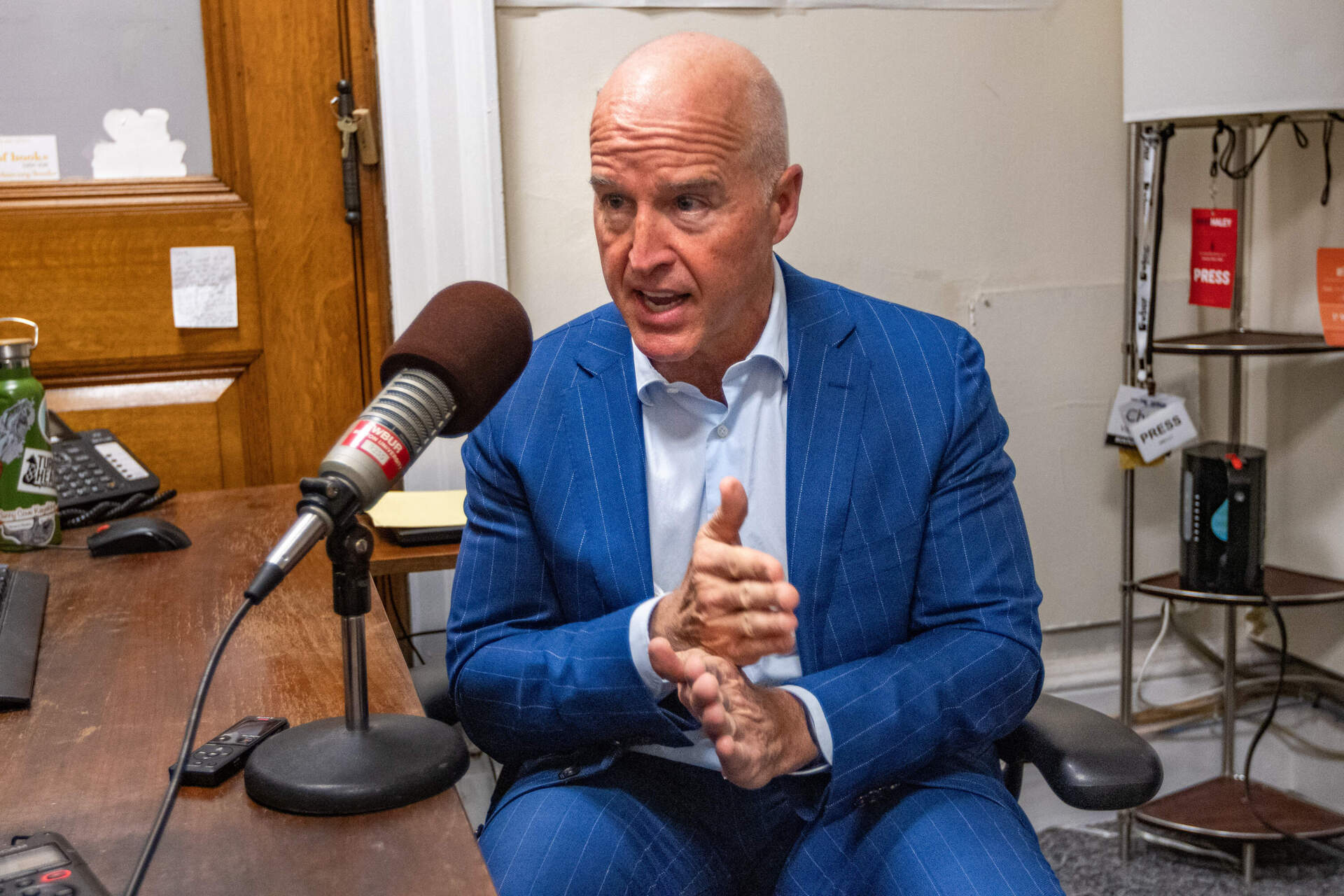
A Friday night ruling by the Fifth Circuit Court of Appeals has intensified the abortion debate in Massachusetts's Republican gubernatorial primary. The decision restricts access to mifepristone through mail for telehealth patients, requiring in-person doctor visits. Governor Maura Healey immediately pledged to protect reproductive healthcare access in the state, which has seen surging demand for the drug from out-of-state patients. The ruling creates a sharp divide between Republican candidates. Mike Minogue, the GOP-endorsed candidate and former biotech executive, confirmed his pro-life stance on Sunday, stating his Catholic faith informs his position that women should seek alternatives to abortion. His primary opponent Brian Shortsleeve, a venture capitalist and former MBTA chief, issued a press release declaring that Minogue's position destroys Republican chances in November, arguing that an anti-choice stance cannot defeat an incumbent Democratic governor in Massachusetts.
Mifepristone, used in combination with misoprostol for medication abortion, has been the target of multiple federal court challenges since the Supreme Court's 2022 Dobbs decision. Healey joined other Democratic governors in stockpiling the drug amid earlier threats to access.
The absence of visible campus protests over recent events reflects not student apathy but systematic suppression by universities and federal authorities. Campus protest activity dropped 64% between spring and fall 2024, before Trump's return to office, as administrators implemented increasingly restrictive policies. Since January, dozens of schools have banned megaphones and musical instruments from outdoor areas without permits, while others have turned student information over to federal investigators. Individual consequences have escalated: students like Mahmoud Khalil and Rumeysa Ozturk were detained by ICE, while others faced pressure to leave the country. Faculty members continue dealing with legal fallout from 2024 encampment participation. Even commencement ceremonies have been affected, with schools like CUNY and NYU blocking student speakers to prevent potential criticism of Israel. The Occidental College encampment that began April 24 represents the first to last more than 24 hours since 2024, suggesting that suppression has been effective rather than that student concern has evaporated.
The 2024 Gaza solidarity encampments at Columbia, UCLA, and other campuses drew national attention and congressional scrutiny. University presidents testified before House committees regarding alleged antisemitism and campus disorder.
The D.C. Court of Appeals has dismissed a property dispute based on a comma placement difference between two limited liability company names. Remus Enterprises 1, LLC filed suit in 2023 claiming ownership of a Washington, D.C. property, but a 2018 consent judgment had established that Remus Enterprises, 1 LLC was the true owner. The court found the 2018 judgment had preclusive effect, barring the 2023 entity from relitigating ownership despite the nearly identical names. The ruling turned on standing: because the 2023 LLC could not demonstrate injury to its own property interest, having conceded the 2018 entity owned the parcel, the trial court lacked subject-matter jurisdiction. The opinion noted that the same individual appeared to be the sole member of both LLCs and had at one point personally held the property, but these facts were not pleaded in the operative complaint and were therefore irrelevant to the jurisdictional determination.
Collateral estoppel, or issue preclusion, prevents parties from relitigating issues already decided in prior proceedings. The case illustrates how entity naming conventions and punctuation can create significant legal consequences in property and business transactions.